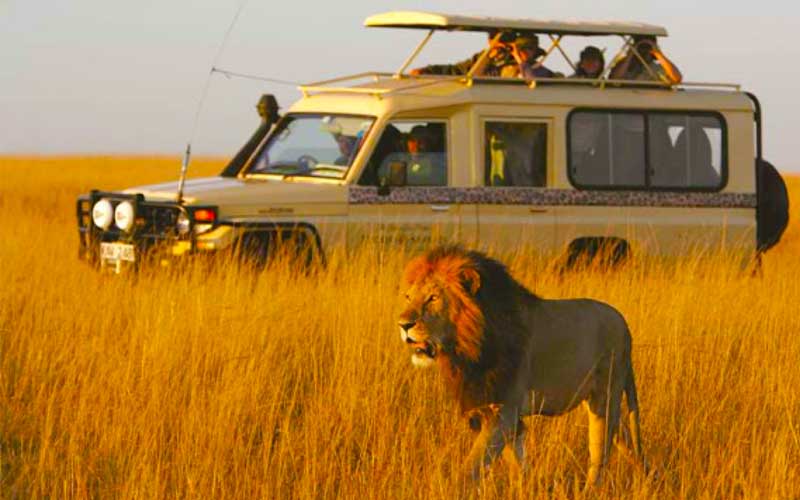
Discover the ultimate Tanzania safari packing checklist – from clothing and travel documents to photography gear and health essentials. Plan smart, pack light, and enjoy your safari adventure.
Back 👉 Home
A safari in Tanzania is a once-in-a-lifetime adventure—whether you’re exploring the endless plains of the Serengeti, witnessing the Great Migration, or descending into the Ngorongoro Crater. To make the most of your trip, preparation is key. Packing the right essentials will ensure you’re comfortable, safe, and fully ready to enjoy the wildlife experience.
This complete Tanzania safari packing checklist covers clothing, gear, travel documents, photography equipment, health items, and extras you might not think of—but will definitely need.
Before packing your safari gear, make sure your documents are in order. Without these, you won’t get very far.
Passport (valid for at least 6 months beyond your travel dates)
Visa (can be applied online or on arrival for many nationalities)
Flight tickets and hotel/lodge confirmations
Travel insurance covering medical evacuation (essential for safaris)
Vaccination card (e.g., Yellow Fever if traveling from risk areas)
Credit card & some cash (USD preferred) for tips or small purchases
Safari itinerary & contact numbers
💡 Tip: Keep copies of your documents in both digital form (email/phone) and printed, just in case.
Safari clothing should be lightweight, comfortable, and practical. Avoid flashy colors or black/blue shades that attract tsetse flies. Stick to neutral tones like khaki, beige, green, or brown.
Lightweight long-sleeve shirts (protects from sun & insects)
T-shirts or quick-dry tops
Convertible safari pants/shorts
Fleece or light sweater (mornings & evenings can be chilly)
Light rain jacket or windbreaker (especially in green season)
Comfortable walking shoes/hiking boots
Sandals or flip-flops for camp/lodge use
Wide-brim safari hat (for sun protection)
Swimwear (many lodges have pools)
Socks & undergarments (quick-dry if possible)
💡 Tip: Layering is important—Tanzania’s weather can shift from cool mornings to hot afternoons.
These small items make a big difference in your safari experience:
Polarized sunglasses – reduces glare
Buff or scarf – protects from dust on game drives
Lightweight gloves & beanie (useful in Ngorongoro mornings)
Reusable water bottle – stay hydrated
Headlamp or small torch – many safari camps have limited lighting at night
Daypack – to carry essentials during game drives
Binoculars (8×42 recommended for safari viewing)
A safari is the ultimate photography adventure. Bring the right gear to capture unforgettable moments.
Camera with zoom lens (200–400mm ideal)
Extra batteries & memory cards
Lightweight tripod/monopod (optional, for serious photographers)
Phone & charger
Power bank (many lodges use solar power and have limited charging options)
Universal travel adapter (Tanzania uses UK-style 3-pin plugs)
💡 Tip: A bean bag for your camera is perfect for steady shots from the safari vehicle.
Staying healthy and comfortable is vital during your safari.
Prescription medications (bring enough for your trip)
Malaria prophylaxis (consult your doctor before travel)
First aid kit (band-aids, antiseptic, painkillers)
Sunscreen (SPF 30+ or higher)
Insect repellent (with DEET or picaridin)
Hand sanitizer & wet wipes
Lip balm with SPF
Travel-size toiletries (biodegradable where possible)
These items aren’t mandatory, but they can make your safari smoother and more enjoyable:
Travel pillow & blanket for long drives
Journal or notebook to record your safari sightings
Safari field guidebook (to identify wildlife & birds)
Snacks (nuts, protein bars, dried fruit)
Ziploc bags (to keep electronics & documents dust-proof)
Laundry soap (many lodges offer laundry, but quick hand washing helps)
Soft-sided duffel bag is best for safari vehicles and small planes
Weight limit: If flying on small bush planes, check weight limits (usually 15–20kg including carry-on)
Neutral-colored bags recommended (avoid bright colors)
✅ Travel documents (passport, visa, insurance)
✅ Neutral safari clothing (lightweight & layered)
✅ Comfortable footwear
✅ Accessories (hat, sunglasses, water bottle)
✅ Photography gear (camera, batteries, binoculars)
✅ Health items (medications, sunscreen, repellent)
✅ Toiletries & personal care
✅ Optional extras (guidebook, snacks, power bank)
Pack light but smart – laundry is often available at lodges
Stick to neutral colors – blend into the environment and stay comfortable
Prioritize health and safety – malaria prevention, sunscreen, and hydration are essential
Don’t overpack – focus on versatility rather than quantity
Packing correctly for a Tanzania safari makes the difference between a stressful trip and an unforgettable adventure. With this checklist, you’ll be ready for game drives across the Serengeti, the Ngorongoro Crater, or even the remote Selous. Bring the essentials, stay comfortable, and let Tanzania’s breathtaking wildlife and landscapes do the rest.
Q: What colors should I avoid wearing on safari?
Avoid black and dark blue (attracts tsetse flies) and very bright colors that stand out in the bush.
Q: Can I wear shorts on safari?
Yes, during the day it’s fine, but long pants are better for early mornings and evenings to avoid insect bites.
Q: Do I need hiking boots for safari?
Not always—sturdy walking shoes or trail runners are usually enough unless you plan on walking safaris.
Q: Should I bring a mosquito net?
Not necessary—lodges and camps usually provide mosquito nets.
Q: How much luggage can I bring?
If you’re taking bush flights, keep luggage under 15–20kg and use soft-sided bags.
Fullmoon Safaris, your partner for individual or group organized trips and safaris in Tanzania.
Fullmoon Safaris, We accept all means of payments listed below:

copyright©Kilifullmoon Safaris