Introduction – Choose the Optimal Trekking Window
Selecting the right time for Kilimanjaro ensures safer climbs, better visibility, and higher summit success during Tanzania’s dry and stable weather periods.
Back 👉 Home
Overview – Spot Tanzania’s Most Iconic Landscapes
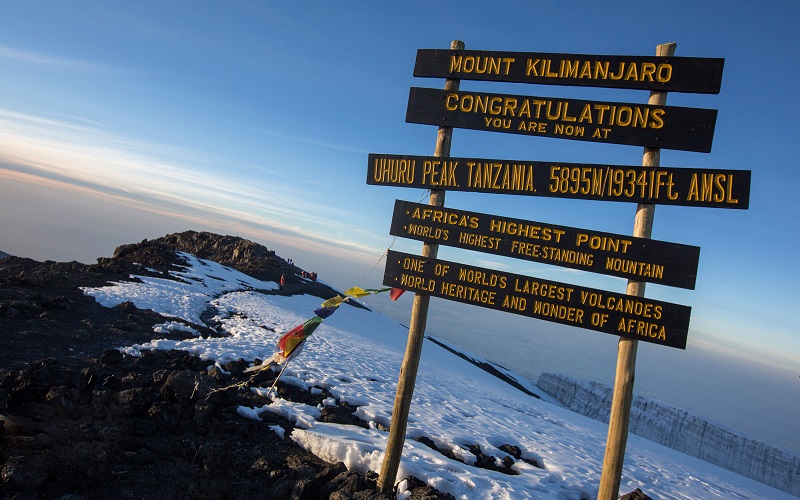
The best time to climb Mount Kilimanjaro is during the dry seasons, when trails are less slippery, wildlife is visible, and summit conditions are safer. Trekkers enjoy clear skies, lush scenery, and increased chances of successfully reaching Uhuru Peak.
Weather Predictability: Dry seasons reduce rain hazards and slippery trails.
Summit Success: Optimal acclimatization and clear weather improve chances.
Photography Opportunities: Clear skies and scenic landscapes for amazing shots.
Crowd Levels: Off-peak periods offer fewer trekkers and more personal experiences.
Flora and Fauna: Wet seasons bring lush greenery and active wildlife.
1. January – March (Warm & Dry)
Conditions: Clear skies, moderate temperatures, low rainfall.
Why Visit: Excellent for summit success and wildlife viewing in lower forests.
Tips: Carry sun protection; early morning treks maximize visibility.
2. June – October (Cool & Dry)
Conditions: Peak trekking season with stable weather and less rain.
Why Visit: Ideal visibility and high summit success rates.
Tips: Prepare for chilly nights and early morning ascents.
3. November – December (Short Rains)
Conditions: Intermittent rainfall, greener trails, fewer climbers.
Why Visit: Lush landscapes, peaceful trekking experience.
Tips: Bring waterproof gear; trail conditions may be slippery.
4. April – May (Long Rains)
Conditions: Heavy rainfall, muddy trails, lower summit success.
Why Visit: Scenic waterfalls and quiet trails for adventurous trekkers.
Tips: Not recommended for first-time climbers; pack rainproof equipment.
| Goal | Best Months | Notes |
|---|---|---|
| Summit Success | January–March, June–October | Optimal dry weather and trail conditions. |
| Fewer Crowds | November–December | Trails are quieter; lush scenery. |
| Lush Scenery | April–May, November | Wet season brings flowering plants and green meadows. |
| Wildlife Viewing | January–March | Active wildlife in forest zones and lower slopes. |
Choose routes that match your fitness and experience level.
Book during dry seasons for safer and more predictable weather.
Consider acclimatization days to reduce altitude sickness risk.
Carry layered clothing for varying temperatures from forest to summit.
Consult guides for daily weather updates and trail conditions.
Increased Summit Success: Dry conditions improve safety and probability.
Better Scenic Views: Clear skies for photography and breathtaking landscapes.
Wildlife Encounters: Optimal timing for spotting monkeys, birds, and other fauna.
Comfortable Trekking: Moderate temperatures reduce fatigue and illness risk.
Personal Experience: Fewer crowds during shoulder seasons enhance enjoyment.
Q: When is the absolute best month to climb?
A: January, February, September, and October provide the driest, clearest conditions for summit success.
Q: Can I climb during the rainy season?
A: Yes, but trails are slippery, summit success is lower, and weather is unpredictable.
Q: How does season affect wildlife sightings?
A: Dry seasons make animals more visible near water sources, while wet seasons bring lush vegetation but fewer sightings.
Q: Are there temperature differences between seasons?
A: Yes, dry season nights can be colder, while wet season brings milder temperatures but rain.
Q: Should I book early for the best months?
A: Absolutely. June–October and January–March are peak seasons, so early bookings ensure guide availability and preferred routes.
Fullmoon Safaris, your partner for individual or group organized trips and safaris in Tanzania.
Fullmoon Safaris, We accept all means of payments listed below:

copyright©Kilifullmoon Safaris