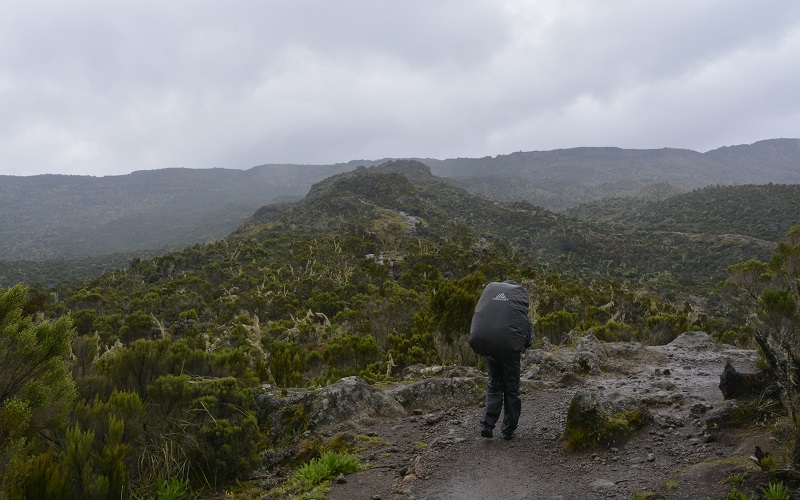
Introduction – Start Your Trek Conveniently
Discover how to plan Kilimanjaro tours from Arusha or Moshi, including transport, routes, guides, accommodations, and preparation for a safe and unforgettable climb to Africa’s highest peak.
Back 👉 Home
Kilimanjaro tours from Arusha or Moshi offer logistical convenience, expert guidance, and access to all major routes. Proper planning ensures smooth transfers, acclimatization, and summit success while maximizing your safari experience.
Accessibility: Both towns are close to Kilimanjaro National Park gates.
Accommodation Options: Wide range of lodges, hotels, and guesthouses.
Guides & Operators: Numerous certified operators provide packages from these hubs.
Transportation: Easy access by road, private vehicle, or air to starting gates.
Pre-Trek Amenities: Shops for gear, medical check-ups, and last-minute supplies.
Vibe: Busy safari hub with international connections.
Advantages: Hotels, restaurants, tour operators, and pre-trek briefing centers.
Proximity: 1–3 hours drive to Machame, Lemosho, Rongai, and Marangu gates.
Vibe: Quieter town at Kilimanjaro’s foothills, gateway to Northern routes.
Advantages: Local culture, mountain views, proximity to Kilimanjaro National Park gate.
Proximity: 30–90 minutes to Marangu, Rongai, and Machame gates.
Duration: 6–7 days
Vibe: Scenic, moderately challenging
Highlights: Rainforest, moorlands, Shira Plateau
Success Rate: 75–85%
Best For: First-time climbers seeking a varied landscape
Duration: 7–8 days
Vibe: Long, gradual ascent for better acclimatization
Highlights: Forests, Shira Plateau, Barranco Wall
Success Rate: 85–95%
Best For: Experienced climbers and photography enthusiasts
Duration: 5–6 days
Vibe: Hut-based, structured
Highlights: Forest to alpine desert, hut accommodations
Success Rate: 50–60%
Best For: Beginners or travelers preferring hut stays
Duration: 6–7 days
Vibe: Northern, quiet approach
Highlights: Kilimanjaro’s dry northern slopes, fewer trekkers
Success Rate: 70–80%
Best For: Peaceful trekking with scenic views
Duration: 9–10 days
Vibe: Longest, panoramic route
Highlights: 360-degree views, best acclimatization, highest summit success
Success Rate: 90–100%
Best For: Experienced trekkers seeking comprehensive adventure
Day 1 – Arrival in Arusha
Check-in at lodge, gear briefing, and optional cultural excursion.
Day 2 – Transfer to Machame Gate
Drive 1–3 hours to Machame Gate, meet guides and porters.
Begin ascent through rainforest to Machame Camp.
Day 3 – Machame to Shira Camp
Trek across moorlands with scenic views; overnight at Shira Camp.
Day 4 – Shira to Barranco Camp
Cross Lava Tower, acclimatize on high-altitude trail.
Day 5 – Barranco to Barafu Camp
Traverse Karanga Valley and prepare for summit night.
Day 6 – Summit & Descend to Mweka Camp
Midnight climb to Uhuru Peak; descend to Mweka Camp after sunrise.
Day 7 – Mweka to Arusha/Moshi
Trek to park gate; transfer to Arusha or Moshi for departure.
Arusha to Gate: Private vehicle, shuttle, or tour operator transfer.
Moshi to Gate: 30–90 minutes by road; local operators provide pickups.
Air Options: Kilimanjaro International Airport (JRO) near Moshi for regional or international flights.
Luxury: Mount Meru Hotel, Arusha Serena Hotel
Mid-Range: Rivertrees Lodge, Ilboru Safari Lodge
Budget: Planet Lodge, Green Mountain Hotel
Luxury: Ameg Lodge, Sal Salinero Hotel
Mid-Range: Kibo Palace Hotel, Sweetwaters Hotel
Budget: Kilimanjaro View Inn, Eagle’s Nest Lodge
Hut routes: Marangu
Tent camps: Machame, Lemosho, Rongai, Northern Circuit
Porters set up tents and provide meals at campsites
Book Early: Popular trekking periods fill quickly (Jan–Mar, Jun–Oct).
Acclimatize: Arrive a day or two early to rest in town.
Gear Check: Rent or purchase gear locally if needed.
Hydrate & Rest: Key for altitude preparation before starting trek.
Local Guides: Use certified Kilimanjaro guides for safety and cultural insights.
Hiking boots, gaiters, and socks
Layered clothing: base, mid, and outer layers
Sleeping bag (-10°C minimum)
Daypack with water and snacks
Trekking poles
Headlamp and spare batteries
First-aid kit and altitude medications
Camera and power banks
Cardiovascular exercise: running, cycling, swimming
Strength training: legs, core, and backpack endurance
Practice hikes with weighted backpacks
Gradual acclimatization on trek to reduce altitude sickness
Always follow guides’ instructions
Monitor for signs of altitude sickness
Avoid hiking alone; group safety is crucial
Carry identification, emergency contacts, and insurance
Respect wildlife and environment
Convenience: Quick transfers to all major routes
Support: Access to certified guides, gear, and pre-trek services
Accommodation: Comfortable lodges and hotels before and after trek
Cultural Experience: Explore Chagga villages and local markets
Flexibility: Choose from multiple trekking routes based on fitness and time
Q: Which town is better for starting the trek?
A: Both Arusha and Moshi are convenient; Moshi is closer to Northern and Marangu routes, while Arusha is better for Machame, Lemosho, and Rongai.
Q: How long should I arrive before the trek?
A: At least 1–2 days for acclimatization, gear checks, and rest.
Q: Can I combine safari and Kilimanjaro tours?
A: Yes, Arusha is a major safari hub; many operators combine trekking and wildlife safaris.
Q: Are local guides mandatory?
A: Yes, Tanzanian law requires certified guides on Kilimanjaro.
Q: What is the best time to trek from these towns?
A: Dry seasons, January–March and June–October, offer optimal conditions for summit success.
Fullmoon Safaris, your partner for individual or group organized trips and safaris in Tanzania.
Fullmoon Safaris, We accept all means of payments listed below:

copyright©Kilifullmoon Safaris