First safari? Compare affordable Tanzania packages, costs, best time, sample itineraries, and tips to book safely on a budget.
Back 👉 Home
If you’re planning your first safari, affordable Tanzania safari packages for first-time travelers can deliver world‑class wildlife without a luxury price tag. This guide explains costs, the best time to visit, sample budget itineraries, what’s included, how to choose a reputable operator, and practical tips to save money—while staying safe and comfortable.
Tanzania blends iconic parks, high wildlife density, and beginner‑friendly logistics. The Northern Circuit (Arusha–Tarangire–Lake Manyara–Ngorongoro–Serengeti) is designed for smooth road links and varied habitats. Southern parks (Nyerere/Selous and Ruaha) offer off‑the‑beaten‑path value, while Mikumi—easily reached from Dar es Salaam—gives a great first taste of safari on a tight budget. English and Swahili are widely spoken, basic lodges and camps are plentiful, and park rules emphasize safety.
Highlights for first‑timers
Big Five sightings in Ngorongoro & Serengeti
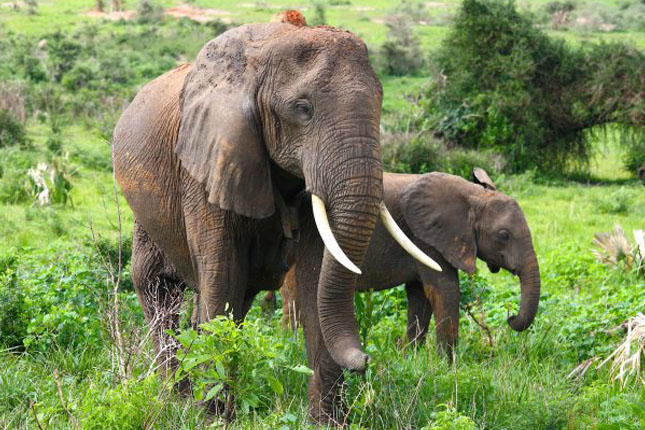
Elephant herds in Tarangire (Jun–Oct)
Tree‑climbing lions in Lake Manyara
Boat safaris in Nyerere (great for birdlife & crocs)
Easy 2–3 day budget trips to Mikumi from Dar es Salaam
“Affordable” varies by season, route, and group size. As a first‑time traveler, expect budget group tours to be the cheapest, followed by private midrange safaris. Your largest fixed costs are park fees, vehicle/guide, and accommodation.
Typical budget ranges (per person, USD)
Group camping (2–5 days): lowest cost; shared tents, shared ablutions
Budget lodges/tented camps: pay more for comfort and en‑suite
Private safari (2–6 pax): price per person drops as group size rises
Tip: The per‑person price can drop dramatically when you add travelers. If you’re solo, consider an open group departure.
Common inclusions
Professional guide/driver and 4×4 safari vehicle with pop‑up roof
Park entry/conservation fees on listed days
Accommodation per itinerary (camping gear if camping)
Meals on safari days (B/L/D or full board)
Bottled drinking water in the vehicle
Airport or city transfers if specified
Common exclusions
International flights & visas
Travel insurance (strongly recommended)
Tips, drinks, and personal purchases
Optional activities (e.g., balloon safari, Maasai visit)
You can safari year‑round, but prices and wildlife patterns change:
Best value shoulder seasons: March–May and November–early December. Expect fewer crowds and frequent deals. Rains may affect road conditions, but wildlife viewing is still rewarding, especially in the Serengeti and Ngorongoro.
Dry season peak: June–October. Highest prices, best road conditions, and dramatic sightings. Tarangire’s elephants crowd the river. Book early to keep costs in check.
Calving & green season: January–February. Southern Serengeti/Ndutu hosts wildebeest calving—excellent predator action. Prices can be moderate compared to peak months.
Below are sample value‑focused routes designed for first‑timers. They balance drive times, costs, and classic sightings. You can adapt any plan to camping or budget lodges.
Day 1: Arusha → Tarangire (elephants, baobabs, lions); overnight near Mto wa Mbu. Day 2: Ngorongoro Crater full‑day game drive; overnight Karatu. Day 3: Lake Manyara morning game drive (flamingos seasonally, tree‑climbing lions) → return to Arusha.
Why it’s affordable: Short distances and one crater permit keep fees predictable. Works well with camping or budget lodges.
Day 1: Arusha → Ngorongoro highlands → enter Serengeti (central/Seronera). Day 2: Serengeti full day (cats & resident game). Day 3: Morning Serengeti → Ngorongoro overnight in Karatu. Day 4: Ngorongoro Crater drive → Arusha.
Why it’s affordable: A quick taste of Serengeti magic without long northern or western corridor detours.
Day 1: Arusha → Tarangire. Day 2: Lake Manyara or a cultural tour at Mto wa Mbu. Day 3: Drive to Serengeti (Seronera). Day 4: Serengeti full day. Day 5: Ngorongoro Crater → Arusha.
Why it’s affordable: Pairs a Serengeti core with two lower‑cost parks and one crater day.
Day 1: Dar → Mikumi; afternoon game drive. Day 2: Full day in Mikumi (lions, giraffes, zebras). Day 3: Morning drive → return to Dar. (Add day 4 for Udzungwa Mountains waterfalls/hiking.)
Why it’s affordable: Shorter transfer, competitive lodge and campsite prices, ideal for tight schedules.
Day 1: Dar → Nyerere (Selous); boat safari at sunset. Day 2: Full‑day game drive. Day 3: Walking safari/game drive. Day 4: Transfer to Mikumi or fly/drive to Ruaha (if budget allows). Day 5: Game drives. Day 6: Game drives; return/overnight. Day 7: Return to Dar.
Why it’s affordable: Southern parks often have value pricing, especially outside peak months, and offer boat/walking options.
Use this checklist to compare offers fairly and safely:
Licensing & affiliations: Confirm TALA licensing and membership in local associations (e.g., TATO).
Transparent inclusions: Park fees, accommodation names, and meal plans listed line‑by‑line.
Vehicle quality: 4×4 with pop‑up roof, window seats, charging points, spare tire, and VHF/phone communication.
Guide experience: Years guiding in your chosen parks; wildlife tracking skills; language proficiency.
Safety practices: Briefings, first‑aid kit, seatbelts, and speed limits.
Payment terms: Clear deposit, balance timeline, and refund policy; secure methods (card or bank).
Reviews & references: Recent client feedback and verifiable references.
Pro tip: Compare itineraries, not just prices. A cheaper quote that omits key park days may cost you sightings.
Public/Private Camping: Lowest cost; dome tents or rooftop tents; shared ablutions (public) or camp crew (private). Great for adventure‑minded travelers.
Budget Lodges & Tented Camps: The sweet spot for comfort vs. price. Expect en‑suite bathrooms, solid beds, mosquito nets, and hot meals.
Midrange Lodges: Higher nightly rate but sometimes competitive in shoulder season. Reliable power, Wi‑Fi, and better locations near key habitats.
Choosing camp vs. lodge is the single biggest lever on price without cutting game‑viewing quality.
Typical inclusions
Park fees and government taxes for listed days
4×4 vehicle, pro guide/driver, fuel, and game drives
Accommodation (camping gear if applicable)
Meals as specified (B/L/D)
Bottled water in the vehicle
Airport/hotel transfers if stated
Typical exclusions
International flights, visas, personal travel insurance
Drinks (unless noted), tips, and laundry
Optional activities (balloon safari, village visit)
Single‑room supplement for solo travelers in lodges
Travel shoulder season for lower rates and more availability.
Join a group or form one (4–6 travelers hits a price sweet spot).
Mix accommodations: 2 nights camping + 1 night budget lodge.
Choose shorter routes with high game density (Tarangire + Ngorongoro).
Limit one‑night stays to reduce transfer costs and maximize game time.
Skip expensive add‑ons (balloon flights) if you’re on a tight budget.
Bring a refillable bottle and snacks to avoid roadside markups.
Pay balances in USD or local currency per operator’s guidance to avoid extra fees.
Soft duffel (20–25 kg max.)—fits better in 4×4 vehicles
Neutral clothing (beige/khaki/olive), light layers, warm fleece for mornings
Comfortable closed shoes for dusty roads and short walks
Sun protection: hat, sunglasses, SPF 30+ sunscreen, lip balm
Insect repellent with DEET or picaridin
Personal meds & small first‑aid kit
Binoculars (8×42 or 10×42) and phone/camera with spare batteries
Universal adapter & power bank
Reusable water bottle
Follow guide instructions at all times; stay in the vehicle unless told otherwise.
Keep a respectful distance from wildlife; no feeding or littering.
Support local communities with fair‑trade purchases and cultural visits.
Conserve water and energy in camps and lodges.
Define your priorities: wildlife must‑sees, budget range, dates, comfort level.
Request 2–3 comparable quotes with the same parks, nights, and inclusions.
Vet the operator: licenses, safety standards, guide bios, and recent reviews.
Confirm the fine print: payment
Fullmoon Safaris, your partner for individual or group organized trips and safaris in Tanzania.
Fullmoon Safaris, We accept all means of payments listed below:

copyright©Kilifullmoon Safaris