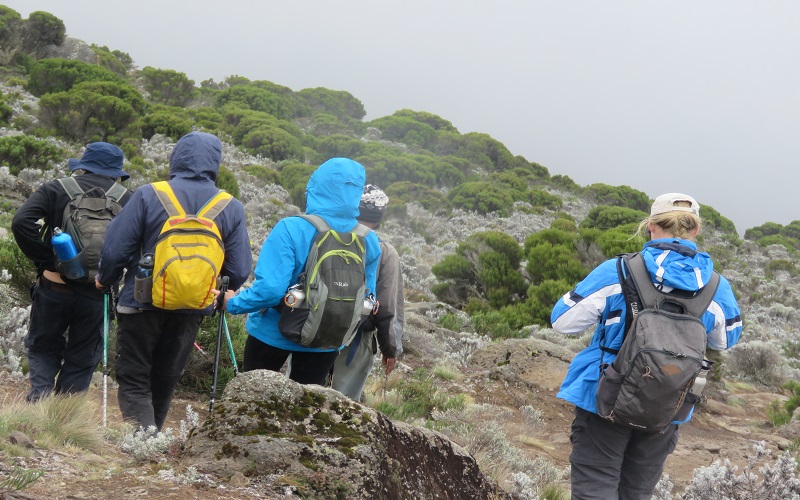
Solo travelers can safely trek Mount Kilimanjaro with guided support, choosing routes and itineraries that match their fitness and experience while enjoying independence and personal challenge.
Back 👉 Home
Climbing Kilimanjaro solo allows independent adventurers to experience the mountain at their own pace. With professional guides, trekkers can safely navigate forests, moorlands, and alpine zones, enjoy panoramic views, and reach Uhuru Peak without joining a group tour.
Personalized Experience: Trek at your own pace with a guide.
Flexible Itinerary: Choose routes and durations that suit your style.
Privacy & Independence: Minimal group interference; focus on your journey.
Safety with Guidance: Certified guides provide support, logistics, and emergency response.
Self-Discovery: Personal challenge and achievement reaching Africa’s highest summit.
1. Marangu Route
Vibe: Gradual ascent, hut accommodations.
Why Visit: Easiest route for first-time solo trekkers.
Duration: 5–6 days.
Highlight: Comfortable trekking with structured support.
2. Machame Route
Vibe: Scenic, moderate-to-challenging trails.
Why Visit: Solo adventurers enjoy stunning views and higher summit success.
Duration: 6–7 days.
Highlight: Panoramic vistas, varied landscapes, and memorable summit experience.
3. Rongai Route
Vibe: Quiet northern approach with fewer trekkers.
Why Visit: Perfect for solitude and peaceful trekking.
Duration: 6–7 days.
Highlight: Less crowded trails with high summit success rates.
| Camp Name | Level | Features |
|---|---|---|
| Marangu Huts | Budget | Comfortable huts, meals included. |
| Machame Camp | Mid-Range | Scenic tented camps, guided treks. |
| Rongai Tented Camp | Mid-Range | Quiet northern trails, panoramic views. |
Guided Treks – Personal attention from certified guides.
Photography – Capture landscapes, wildlife, and summit moments at your pace.
Flora & Fauna Spotting – Observe monkeys, birds, and unique high-altitude plants.
Cultural Interaction – Meet Chagga communities near base camps.
Summit Attempts – Focused acclimatization and personalized pacing for success.
Day 1 – Arrival & Machame Gate
Meet guide, start trek through rainforest, overnight at Machame Camp.
Day 2 – Machame to Shira Camp
Hike through moorlands, acclimatize, enjoy scenic vistas.
Day 3 – Shira to Barranco Camp
Cross lava formations, descend into Barranco Valley, overnight in tents.
Day 4 – Barranco to Barafu Camp
Ascend through Karanga Valley to Barafu for summit preparation.
Day 5 – Summit & Descent to Mweka Camp
Midnight ascent to Uhuru Peak, descend to Mweka Camp for rest.
Day 6 – Mweka to Gate & Departure
Complete descent through rainforest, receive certificate, transfer back to Arusha.
| Month | Weather | Notes |
|---|---|---|
| January–March | Warm & dry | Clear skies, optimal summit conditions. |
| June–October | Cool & dry | Peak trekking season, high success rate. |
| November–December | Short rains | Fewer trekkers, lush scenery. |
| April–May | Long rains | Trails slippery; less recommended. |
Layered clothing, waterproof jackets, gloves, hats.
Trekking boots, poles, and sleeping bag.
Water bottle, snacks, and personal essentials.
Camera for landscapes and summit shots.
Always follow guide instructions.
Pace yourself and stay hydrated.
Acclimatize properly to prevent altitude sickness.
Respect wildlife and trail rules.
Monitor weather updates and adjust accordingly.
Independent Adventure: Trek at your own pace.
Personal Challenge: Achieve a major milestone solo.
Flexible Itinerary: Customize your route and rest stops.
Scenic Experience: Photograph landscapes and wildlife freely.
Summit Success: Expert guidance ensures safe ascent and descent.
Q: Is it safe to climb Kilimanjaro alone?
A: Yes, with a certified guide and porter support, solo trekkers can safely summit.
Q: Which route is best for solo travelers?
A: Marangu and Rongai offer easier ascents, while Machame provides scenic adventure.
Q: Can solo travelers reach the summit?
A: Yes, with proper pacing, acclimatization, and guidance, reaching Uhuru Peak is achievable.
Q: Do I need prior trekking experience?
A: Moderate fitness is enough; guides help with route navigation and pacing.
Q: Can solo treks be combined with safari tours?
A: Absolutely. Many solo itineraries pair Kilimanjaro treks with Serengeti or Ngorongoro safaris.
Fullmoon Safaris, your partner for individual or group organized trips and safaris in Tanzania.
Fullmoon Safaris, We accept all means of payments listed below:

copyright©Kilifullmoon Safaris