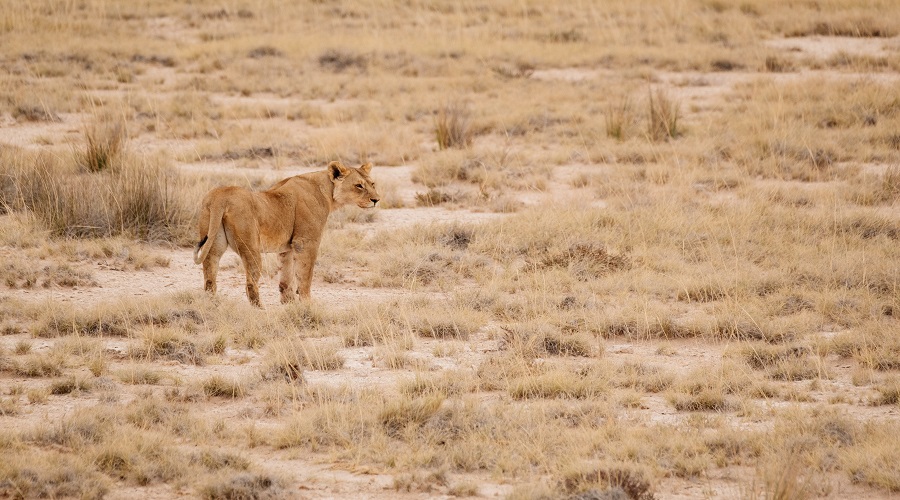
Endangered Species Safari in Tanzania – Wildlife & Conservation Experiences
Discover the best endangered species safari experiences in Tanzania in 2025–2026. Explore rare wildlife, guided safaris, luxury lodges, and conservation-focused tours designed for travelers seeking adventure and wildlife encounters.
Back 👉 Home
Overview:
Tanzania is home to some of Africa’s most iconic and endangered species, including black rhinos, African wild dogs, Grevy’s zebras, and cheetahs. Endangered species safaris offer travelers a unique opportunity to witness these rare animals in their natural habitats, support conservation efforts, and enjoy immersive wildlife experiences across national parks like Serengeti, Ngorongoro Crater, and Selous Game Reserve.
This guide highlights the best parks, lodges, safari activities, safety tips, sample itineraries, and travel packages for 2025–2026. Whether you are a wildlife enthusiast, photographer, or nature lover, Tanzania provides unforgettable encounters with endangered species.
Rare Wildlife Encounters: See critically endangered and vulnerable species up close.
Expert Guides: Knowledgeable guides enhance spotting and understanding of wildlife behavior.
Conservation Focus: Safaris contribute to preserving endangered species and habitats.
Photography Opportunities: Stunning landscapes and rare wildlife create ideal photography settings.
Adventure and Exploration: Traverse iconic landscapes with thrilling game drives.
Vibe: Vast plains, large predator populations, and migration hotspots.
Why Visit: Home to endangered African wild dogs, cheetahs, and black rhinos.
Activities: Early morning game drives, guided walking safaris, wildlife photography.
Recommended Lodges:
Serengeti Serena Safari Lodge: Luxury accommodation with guided game drives.
Kubu Kubu Tented Camp: Comfortable mid-range camp with expert guides.
Seronera Safari Camp: Budget-friendly with daily wildlife excursions.
Vibe: Crater landscapes, dense wildlife, and diverse habitats.
Why Visit: Black rhinos, lions, and threatened bird species inhabit the crater.
Activities: Crater rim walks, guided game drives, photography tours.
Recommended Lodges:
Ngorongoro Serena Lodge: Luxury lodge with wildlife-focused experiences.
Ngorongoro Wildlife Lodge: Mid-range with guided tours.
Ngorongoro Rhino Lodge: Budget option with small group game drives.
Vibe: Remote wilderness, riverine forests, and aquatic habitats.
Why Visit: Endangered species include African wild dogs, elephants, and crocodiles.
Activities: Boat safaris, walking safaris, and game drives.
Recommended Lodges:
Siwandu Camp: Luxury lodge with expert guides and private excursions.
Stiegler’s Camp: Mid-range tented camp with wildlife-focused safaris.
Selous Safari Camp: Budget-friendly with guided game drives.
Vibe: Baobab-studded savannahs, elephants, and water-dependent species.
Why Visit: Excellent for elephants, vultures, and endangered birds.
Activities: Game drives, walking safaris, and photography tours.
Recommended Lodges:
Tarangire Safari Lodge: Luxury lodge with wildlife guides.
Swala Camp: Mid-range lodge with morning game drives.
Kirurumu Manyara Lodge: Quiet and wildlife-focused.
Experience: Explore national parks with expert guides to locate endangered species.
Benefit: Maximizes chances of seeing rare wildlife safely.
Experience: Trek through savannah and forested areas observing smaller wildlife and tracking endangered species.
Benefit: Immersive and educational experience.
Experience: Spot endangered bird species in wetlands, forests, and savannahs.
Best Locations: Tarangire, Ngorongoro, and Selous.
Experience: Capture rare species, scenic landscapes, and wildlife behavior.
Benefit: Combines adventure with creative expression.
Experience: Learn about anti-poaching efforts, endangered species research, and habitat preservation.
Benefit: Adds a meaningful dimension to your safari experience.
Experience: Explore rivers and lakes for aquatic endangered species and hippos.
Best Locations: Selous Game Reserve and Lake Tanganyika regions.
Morning: Arrive at Kilimanjaro or Arusha airport; transfer to lodge.
Afternoon: Introductory walk and brief on endangered species safaris.
Evening: Dinner and orientation.
Morning: Game drive to spot elephants, vultures, and rare birds.
Afternoon: Wildlife photography and observation.
Evening: Lodge leisure and conservation discussion.
Morning: Crater game drive for black rhinos, lions, and wildebeest.
Afternoon: Picnic lunch and additional wildlife viewing.
Evening: Return to lodge for relaxation.
Morning: Early morning game drive to spot African wild dogs, cheetahs, and predators.
Afternoon: Walking safari and photography session.
Evening: Social dinner with guides and fellow travelers.
Morning: Optional bird watching or short wildlife walk.
Afternoon: Souvenir shopping or lodge leisure.
Evening: Airport transfer and flight home.
Always travel with licensed guides.
Maintain safe distances from wildlife.
Wear neutral clothing suitable for wildlife observation.
Carry water, sun protection, and binoculars.
Keep valuables safe in lodge safes.
Follow park rules and guidelines for endangered species.
| Month | Weather | Best Parks | Wildlife Highlights |
|---|---|---|---|
| June–October | Dry, sunny | Serengeti, Ngorongoro, Tarangire | Easier spotting of predators and migratory species |
| December–February | Hot, festive | Serengeti, Ngorongoro | Nesting birds, active wildlife |
| March–May | Rainy | Selous, Tarangire | Lush landscapes, fewer tourists, easier tracking of species |
| November | Short rains | Serengeti, Ngorongoro | Peaceful game drives, less crowded parks |
Pre-arranged flights, transfers, and lodges.
Expert guides for maximum wildlife sightings.
Social interaction and small group tours.
Flexible itineraries for individual pace and interest.
Focused conservation and educational experiences.
Diverse wildlife encounters across multiple parks.
Q: Which endangered species can I expect to see?
A: Black rhinos, African wild dogs, cheetahs, Grevy’s zebras, and endangered birds.
Q: Is Tanzania safe for wildlife safaris?
A: Yes, with licensed guides and organized tour packages.
Q: Can I combine this safari with other activities?
A: Yes, including photography, walking safaris, boat rides, and cultural tours.
Q: When is the best time for endangered species safaris?
A: June–October for dry season wildlife visibility; December–February for nesting birds and active wildlife.
Q: Are there luxury and budget options available?
A: Yes, lodges range from luxury tented camps to mid-range and budget-friendly accommodations.
Tanzania offers unforgettable opportunities to witness endangered wildlife in their natural habitats. With guided safaris, expert conservation insights, diverse lodges, and immersive nature experiences, travelers can enjoy adventure, photography, and wildlife conservation all in one journey. 2025–2026 is the perfect time to embark on an endangered species safari across Tanzania’s iconic parks.
Fullmoon Safaris, your partner for individual or group organized trips and safaris in Tanzania.
Fullmoon Safaris, We accept all means of payments listed below:

copyright©Kilifullmoon Safaris