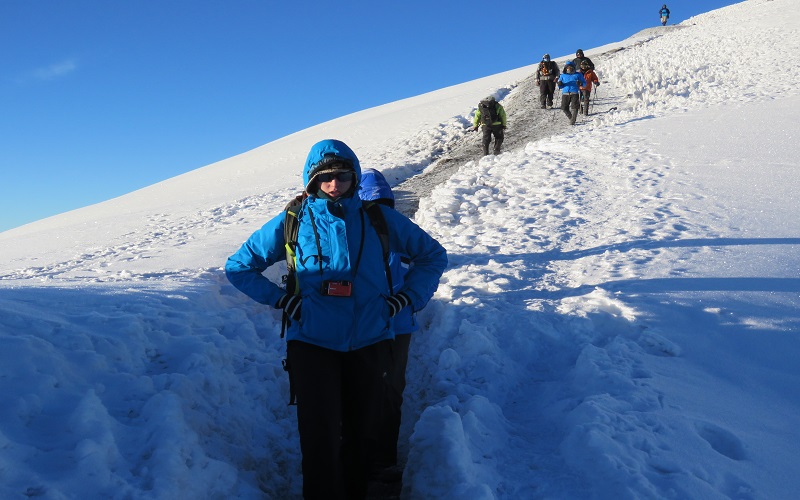
Introduction – Understand the Challenge
Learn how difficult it is to climb Kilimanjaro, including fitness requirements, altitude effects, and route challenges, to prepare for a successful and safe summit experience
Back 👉 Home
Climbing Kilimanjaro is physically demanding but achievable with proper preparation. Difficulty varies by route, duration, and fitness level. Factors like altitude, steep terrain, and weather affect the trek, while expert guides and acclimatization strategies increase success rates.
Altitude: High altitude (5,895m) can cause sickness.
Route Choice: Longer routes like Lemosho provide easier acclimatization; shorter routes are more strenuous.
Physical Fitness: Moderate fitness is sufficient, but endurance improves comfort.
Weather Conditions: Cold, wind, and rain impact difficulty.
Pace and Acclimatization: Gradual ascent increases summit success.
1. Marangu Route
Vibe: Beginner-friendly, hut accommodation
Challenge: Moderate; faster ascent may strain newcomers
2. Machame Route
Vibe: Scenic, moderate-to-strenuous
Challenge: Steeper sections and longer days require stamina
3. Lemosho Route
Vibe: Beautiful and longer, allowing easier acclimatization
Challenge: Lower perceived difficulty due to gradual ascent
4. Rongai Route
Vibe: Quieter, drier northern approach
Challenge: Moderate; fewer crowds but drier, exposed terrain
5. Northern Circuit
Vibe: Longest, best acclimatization
Challenge: Strenuous but with highest summit success rates
Cardio Training: Hiking, running, or cycling for stamina
Strength Training: Leg muscles, core, and backpack endurance
Acclimatization: Schedule gradual ascent and rest days
Gear Preparation: Layered clothing, proper boots, and trekking poles
Mental Readiness: Patience and perseverance are key
Day 1–2: Moderate hikes with light backpack
Day 3–4: Longer hikes on uneven terrain
Day 5: Strength training and hill climbs
Day 6: Rest and stretching
Day 7: Short hike simulating trek conditions
Monitor for altitude sickness: headache, nausea, fatigue
Stay hydrated and eat well
Follow guide instructions closely
Ascend slowly; avoid rushing
Carry essential safety and first-aid gear
Achievement: Summit Africa’s highest peak
Personal Growth: Mental and physical endurance
Scenic Rewards: Panoramic landscapes and wildlife
Adventure Experience: Unique trekking memories
Health Benefits: Strength, stamina, and wellness
Q: Do I need to be very fit?
A: Moderate fitness is enough, but better stamina increases comfort and success.
Q: Which route is easiest?
A: Marangu is the easiest; Lemosho and Machame offer scenic but longer options.
Q: Can beginners succeed?
A: Yes, with proper training, acclimatization, and a supportive guide team.
Q: How long does it take to climb?
A: Routes range from 5–10 days depending on difficulty and acclimatization strategy.
Q: Is altitude the main challenge?
A: Yes, altitude sickness is the main difficulty, followed by weather and steep terrain.
Fullmoon Safaris, your partner for individual or group organized trips and safaris in Tanzania.
Fullmoon Safaris, We accept all means of payments listed below:

copyright©Kilifullmoon Safaris