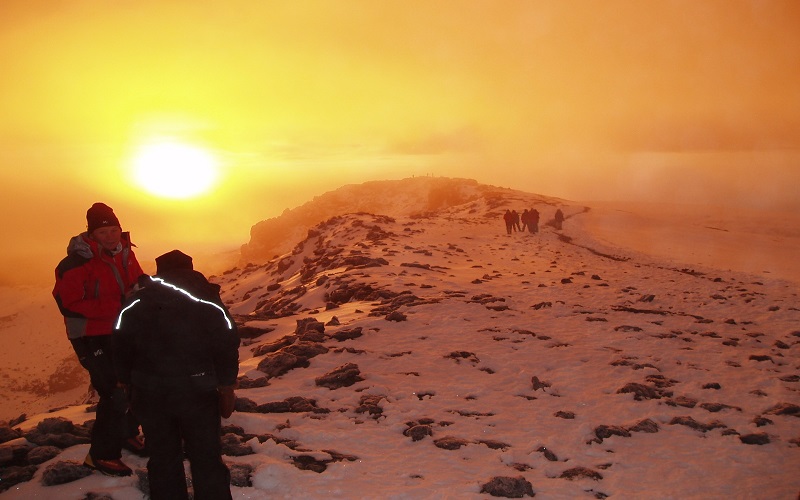
Introduction – Improve Your Summit Success
Learn about Kilimanjaro’s climb success rates, what factors affect reaching Uhuru Peak, and how to prepare for a safe and successful adventure on Africa’s highest mountain.
Back 👉 Home
Kilimanjaro climb success varies by route, duration, fitness, and acclimatization. Longer, scenic routes generally have higher success rates, while proper preparation, gradual ascent, and experienced guides significantly increase the chance of reaching the summit.
Route Choice: Longer routes like Lemosho and Northern Circuit improve acclimatization.
Acclimatization: Gradual ascent reduces altitude sickness risk.
Physical Fitness: Good endurance and strength improve performance.
Weather Conditions: Dry season and clear skies favor summit attempts.
Mental Preparation: Patience and persistence help overcome fatigue and altitude effects.
| Route | Duration | Average Summit Success Rate | Notes |
|---|---|---|---|
| Marangu | 5–6 days | 50–60% | Fastest route, higher altitude stress |
| Machame | 6–7 days | 75–85% | Scenic route, good acclimatization |
| Lemosho | 7–8 days | 85–95% | Long route, excellent acclimatization |
| Rongai | 6–7 days | 70–80% | Northern approach, moderate difficulty |
| Northern Circuit | 9–10 days | 90–100% | Longest route, highest summit success |
Choose the Right Route: Longer routes improve acclimatization and summit chances.
Train in Advance: Cardio, strength, and endurance training are essential.
Ascend Slowly: Follow the “Pole Pole” (slowly, slowly) strategy.
Stay Hydrated: Prevent dehydration and altitude-related fatigue.
Use Experienced Guides: Professional guidance reduces risks and improves success.
Take rest days and shorter acclimatization hikes.
Monitor for altitude sickness and act immediately if symptoms occur.
Maintain a steady pace and avoid rushing.
Eat high-energy meals and snacks regularly.
Use trekking poles for balance and reduced strain.
Peace of Mind: Reduced risk of altitude sickness or forced descent.
Enjoyment: More time to experience scenery and wildlife.
Confidence: Increases chances of summiting on your first attempt.
Learning Experience: Gain insights on high-altitude trekking techniques.
Q: Which route has the highest success rate?
A: The Northern Circuit and Lemosho routes have the highest summit success rates due to longer acclimatization periods.
Q: Does fitness guarantee summit success?
A: No, fitness helps, but proper acclimatization, route choice, and altitude management are equally important.
Q: Can first-time climbers succeed?
A: Yes, with proper training, pacing, and experienced guides.
Q: How does weather affect success?
A: Clear, dry conditions increase chances; heavy rain, wind, or snow can hinder ascent.
Q: Can group treks improve summit success?
A: Yes, climbing with a group provides support, motivation, and shared knowledge from guides.
Fullmoon Safaris, your partner for individual or group organized trips and safaris in Tanzania.
Fullmoon Safaris, We accept all means of payments listed below:

copyright©Kilifullmoon Safaris