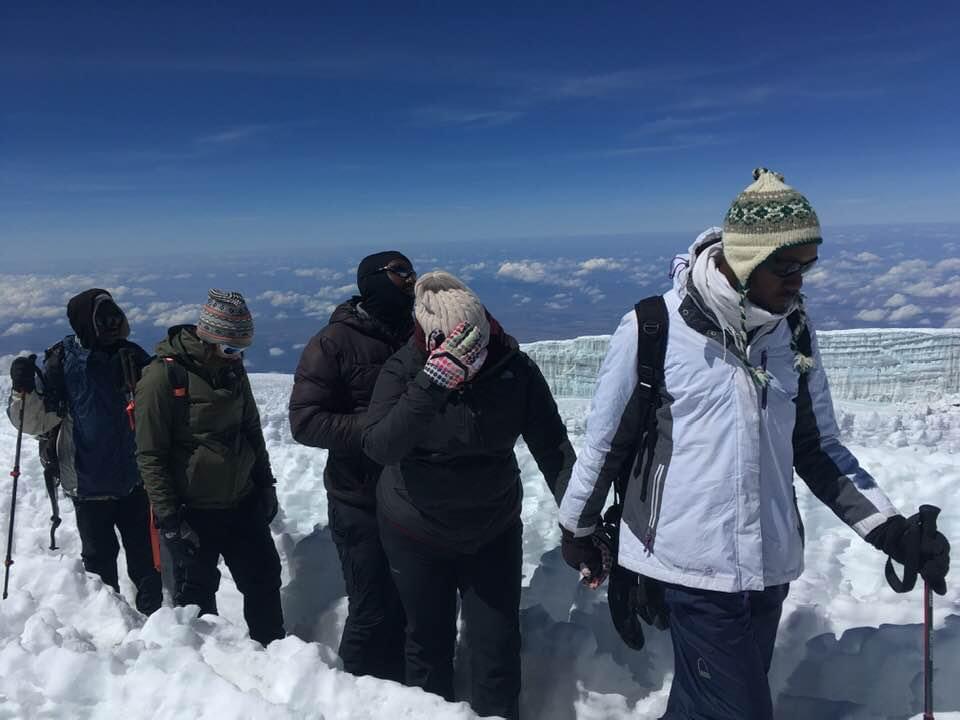
Introduction – Adventure Awaits on Africa’s Highest Peak
Experience the thrill of trekking Mount Kilimanjaro, Africa’s tallest mountain, with guided tours that suit all fitness levels, offering unforgettable landscapes, flora, and summit achievement.
Back 👉 Home
Overview – Spot Tanzania’s Most Iconic Landscapes
Kilimanjaro trekking packages provide a structured adventure to climb Africa’s highest peak. Routes like Machame, Marangu, and Lemosho offer varying difficulty levels, spectacular scenery, and professional guides. Trekkers experience rainforests, alpine meadows, glaciers, and the exhilaration of standing atop Uhuru Peak.
Expert Guidance: Certified guides ensure safety and support.
Varied Routes: Options from moderate to challenging treks.
Scenic Diversity: Rainforests, moorlands, glaciers, and panoramic vistas.
Cultural Encounters: Learn about local Chagga traditions and lifestyles.
Summit Success: Structured itineraries maximize acclimatization and safety.
1. Machame Route
Vibe: Scenic, challenging, high summit success rate.
Why Visit: Ideal for adventurous trekkers seeking diverse landscapes.
Duration: 6–7 days.
Highlight: Lush forests, alpine deserts, stunning sunrise views.
2. Marangu Route
Vibe: Comfortable “Coca-Cola” route with huts.
Why Visit: Easier logistics, moderate challenge, overnight in huts.
Duration: 5–6 days.
Highlight: Gradual ascent aiding acclimatization, scenic saddle views.
3. Lemosho Route
Vibe: Remote, less crowded, highly scenic.
Why Visit: Start from western slopes, panoramic vistas, lush forests.
Duration: 7–8 days.
Highlight: High summit success rate with fewer trekkers.
4. Rongai Route
Vibe: Northern approach, dry and quiet.
Why Visit: Fewer climbers, scenic northern slopes, wildlife sightings.
Duration: 6–7 days.
Highlight: Great for early season trekking and wildlife encounters.
5. Shira Route
Vibe: Western highland route, less traveled.
Why Visit: Expansive moorlands, glacier views, high-altitude experience.
Duration: 7–8 days.
Highlight: Spectacular sunsets and diverse landscapes.
| Lodge/Camp Name | Level | Features |
|---|---|---|
| Machame Camp (Luxury) | Luxury | Comfortable tents, scenic locations, expert guides. |
| Kibo Hut (Mid-Range) | Mid-Range | Rest stop near summit, meals included. |
| Lemosho Base Camp (Mid-Range) | Mid-Range | Remote camp with panoramic vistas. |
| Rongai Tented Camp (Budget) | Budget | Affordable, guided trekking with support. |
Summit Attempt – Reach Uhuru Peak and witness breathtaking views.
Scenic Trekking – Explore rainforests, alpine deserts, and moorlands.
Wildlife Spotting – Monkeys, birds, and other high-altitude species.
Photography – Capture landscapes, glaciers, and sunrise/sunset vistas.
Cultural Learning – Meet Chagga communities and experience local traditions.
Day 1 – Arrival & Machame Gate
Meet guides, trek into rainforest, overnight at Machame Camp.
Day 2 – Rainforest to Shira Plateau
Morning hike through dense forests, gradual ascent to plateau.
Day 3 – Shira Plateau to Barranco Camp
Scenic route, panoramic views, acclimatization stops.
Day 4 – Barranco Wall & Karanga Valley
Challenging climbs, stunning valleys, early evening rest.
Day 5 – Barafu Camp & Summit Prep
Short hikes, gear check, early sleep for summit night.
Day 6 – Summit & Descent
Midnight ascent, reach Uhuru Peak, descend to Mweka Camp.
Day 7 – Mweka Gate & Departure
Trek completion, certificates, transfer to Arusha or lodge.
| Month | Weather | Notes |
|---|---|---|
| January–March | Warm & dry | Great visibility, peak summit success. |
| June–October | Cool & dry | Popular season, excellent trekking conditions. |
| November–December | Short rains | Lush scenery, fewer climbers, trail can be slippery. |
| April–May | Long rains | Trails muddy, lower success rates. |
Layered clothing for varying temperatures.
Sturdy trekking boots and gaiters.
Warm sleeping bag and headlamp.
Trekking poles and water bottles.
Sunscreen, hat, and gloves.
Camera and binoculars for wildlife and landscape photography.
Acclimatize properly to prevent altitude sickness.
Follow guides’ instructions at all times.
Carry sufficient water and snacks.
Pace yourself and rest frequently.
Avoid sudden physical exertion at high altitudes.
Summit Achievement: Conquer Africa’s highest peak.
Scenic Diversity: Experience forests, moorlands, and glaciers.
Wildlife Encounters: See highland animals and birds.
Photography Opportunities: Capture sunrise, sunsets, and landscapes.
Health & Wellness: Trekking promotes fitness, endurance, and mental resilience.
Q: Which route is best for first-time climbers?
A: Marangu and Rongai routes offer gradual ascents suitable for beginners.
Q: How fit should I be?
A: Moderate fitness is recommended; endurance and stamina are important.
Q: Is altitude sickness common?
A: It can occur; proper acclimatization, hydration, and slow pacing help prevent it.
Q: Do I need a guide?
A: Yes, Kilimanjaro treks require certified guides and porters.
Q: Can I combine trekking with a safari?
A: Absolutely, many packages combine Kilimanjaro trekking with Serengeti or Ngorongoro safaris.
Fullmoon Safaris, your partner for individual or group organized trips and safaris in Tanzania.
Fullmoon Safaris, We accept all means of payments listed below:

copyright©Kilifullmoon Safaris