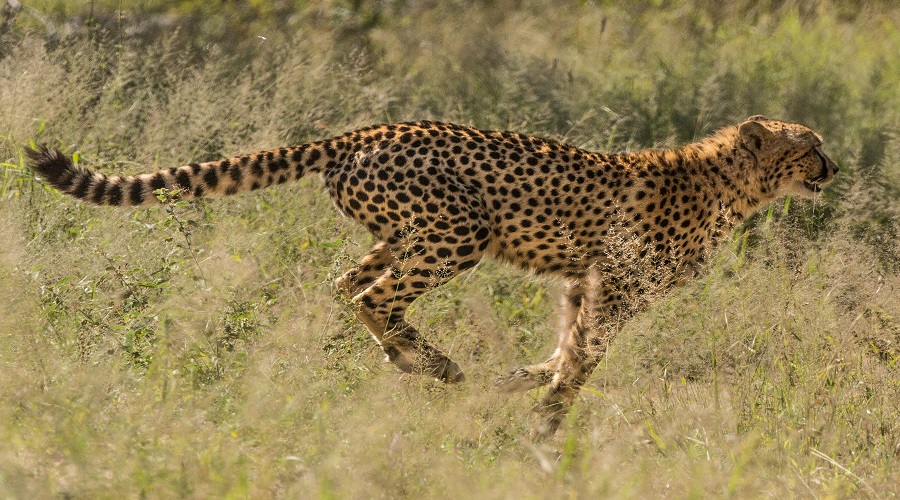
Discover the Thrill of Spotting Leopards in Serengeti
The Serengeti National Park in Tanzania is one of the world’s best places to see leopards. Masters of camouflage, these elusive cats often hide in trees, grasses, and rocky outcrops. Unlike lions and cheetahs, they are harder to find, but patient safari-goers are often rewarded with unforgettable sightings in the Serengeti Plains.
Back 👉 Home
High Leopard Density: The Serengeti hosts one of Africa’s healthiest leopard populations.
Unique Safari Experience: Spotting leopards is considered the “ultimate prize” for wildlife photographers.
Diverse Habitats: From riverine forests to kopjes and savannahs, leopards thrive in varied landscapes.
Behavioral Insights: Observe leopards resting in acacia trees or stalking prey during twilight hours.
Year-Round Opportunity: Leopards are resident species in the Serengeti and can be seen any time of year.
1. Seronera Valley
Vibe: Iconic leopard hotspot with riverine forests and acacia trees.
Why Visit: Seronera is renowned for frequent leopard sightings.
What You’ll See: Leopards lounging on tree branches, often near waterholes.
Best Time: Early morning or late afternoon.
Safari Tip: Guides know the exact fig trees where leopards love to rest.
2. Central Serengeti (Kopjes Region)
Vibe: Rocky outcrops and open plains.
Why Visit: Kopjes provide shade and lookout points for leopards.
What You’ll See: Leopards scanning for prey from granite boulders.
Best Time: Dry season when prey gathers around kopjes.
Bonus: Kopjes are also known for lions, so double predator action.
3. Grumeti River Area (Western Corridor)
Vibe: Dense woodland near riverbanks.
Why Visit: Leopards hunt fish, antelopes, and monkeys near the water.
What You’ll See: Leopards hunting at dusk, crocodiles, and hippos nearby.
Best Time: June–July (during the Great Migration).
Cultural Bonus: Combine with visits to local communities near Grumeti.
4. Northern Serengeti (Mara River Zone)
Vibe: Remote, wild, and less crowded.
Why Visit: Great for combining leopard sightings with wildebeest crossings.
What You’ll See: Leopards stalking herds or resting under shady trees.
Best Time: July–October (migration season).
Safari Tip: Early morning game drives offer the best chances.
| Lodge/Camp Name | Level | Features |
|---|---|---|
| Four Seasons Safari Lodge | Luxury | Offers guided game drives in leopard-rich areas of Central Serengeti. |
| Serengeti Serena Lodge | Mid-Range | Located near Seronera, close to leopard hotspots. |
| Kubu Kubu Tented Camp | Mid-Range | Stylish tented camp with direct access to leopard-viewing routes. |
| Seronera Wildlife Lodge | Budget | Affordable stay right in the heart of leopard country. |
1. Early Morning Game Drives
Leopards are most active at dawn when hunting.
Cooler temperatures make them more visible.
2. Night Drives (in private concessions)
Witness leopards’ nocturnal behavior.
Rare chance to see stalking and hunting up close.
3. Photographic Safaris
Specially guided tours for wildlife photographers.
Focus on capturing leopards in golden light.
4. Walking Safaris (in designated areas)
Learn to track leopard footprints and signs.
Adds a thrilling dimension to your safari.
5. Kopje Exploration
Search the rocky outcrops where leopards rest.
Guides explain territorial markings and hunting strategies.
Day 1 – Arrival in Seronera & Game Drive
Morning: Arrive at Seronera airstrip or drive in from Arusha.
Afternoon: Game drive focused on riverine areas where leopards rest.
Evening: Dinner at lodge overlooking the plains.
Day 2 – Full-Day Leopard Safari
Morning: Dawn drive to kopjes and riverbanks for active leopards.
Midday: Picnic lunch in the wilderness.
Afternoon: Continue safari through fig tree areas.
Evening: Sundowners followed by storytelling at campfire.
Day 3 – Northern Serengeti & Departure
Morning: Drive towards Mara River area for remote leopard sightings.
Midday: Spot leopards near migration herds (seasonal).
Afternoon: Return flight or road transfer back to Arusha.
| Month | Weather | Conditions | Notes |
|---|---|---|---|
| June–October | Dry season | Sparse vegetation, easy visibility | Best overall for leopard sightings. |
| November–December | Short rains | Lush vegetation, more camouflage | Harder to spot but greener scenery. |
| January–February | Warm & dry | Calving season nearby | Good predator-prey interactions. |
| March–May | Long rains | Thick grass and mud | Low season, fewer tourists. |
High-quality binoculars and camera with zoom lens.
Neutral-colored clothing (avoid bright colors).
Wide-brimmed hat, sunscreen, and sunglasses.
Lightweight jacket for early mornings.
Comfortable closed shoes for walking safaris.
Field guidebook for identifying wildlife.
Always stay inside safari vehicles unless on guided walks.
Keep a safe distance; leopards are solitary and unpredictable.
Avoid sudden noises or movements.
Night drives must be guided by licensed rangers.
Respect park rules and guides’ instructions.
Rare Encounters: Leopards are harder to spot than lions or cheetahs.
Thrill of Discovery: Every sighting feels like uncovering a secret.
Photographic Moments: Perfect opportunities for dramatic wildlife shots.
Educational Experience: Learn about leopard behavior and ecology.
Balanced Safari: Combines predator excitement with Serengeti landscapes.
Q: Are leopards hard to spot in Serengeti?
A: Yes, leopards are elusive, but Serengeti has one of the best leopard densities in Africa, making sightings possible almost daily.
Q: What time of day is best for leopard spotting?
A: Early mornings and late afternoons are ideal, as leopards are most active then.
Q: Can I see leopards year-round in Serengeti?
A: Yes. Leopards are resident animals and do not migrate, so they can be seen any month.
Q: Which part of Serengeti is best for leopards?
A: Seronera Valley in Central Serengeti is the top hotspot, though leopards are spread throughout the park.
Q: Is leopard spotting safe?
A: Absolutely. Sightings are from safari vehicles or guided walks with professional rangers ensuring safety.
Fullmoon Safaris, your partner for individual or group organized trips and safaris in Tanzania.
Fullmoon Safaris, We accept all means of payments listed below:

copyright©Kilifullmoon Safaris