Migration Safari Tanzania – Optimal Time for the Great Wildebeest Migration
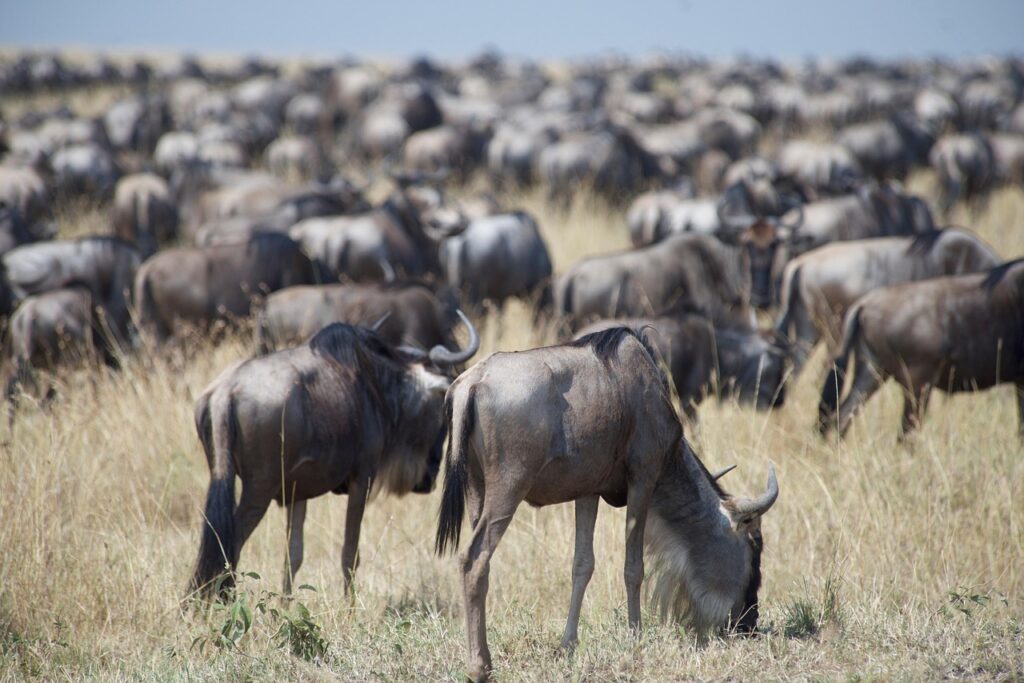
A migration safari in Tanzania offers travelers the chance to witness the iconic wildebeest migration, one of the most impressive wildlife events on Earth. Millions of wildebeest, zebras, and gazelles traverse Serengeti and Ngorongoro in search of fresh grazing, creating dramatic predator-prey encounters and breathtaking landscapes
Back 👉 Home
The timing of your migration safari determines what wildlife experiences you will encounter. Tanzania’s seasonal migration patterns take visitors through different regions, from the southern plains of Serengeti to the northern areas near the Mara River. Planning your safari for the best month ensures maximum sightings and unforgettable photo opportunities.
Witness Epic Wildlife Movements: Millions of animals moving across the plains.
Predator Encounters: Lions, cheetahs, and hyenas hunt during migration.
Scenic Landscapes: Endless plains, river crossings, and crater backdrops.
Photography Opportunities: Dramatic action shots of crossings and herds.
Educational Experience: Learn about the ecosystem and wildlife behavior from expert guides.
| Month | Location | Migration Highlights |
|---|---|---|
| December–March | Southern Serengeti & Ndutu | Calving season; thousands of wildebeest calves, predators active |
| April–May | Southern Serengeti (long rains) | Calving continues; fewer tourists, lush scenery |
| June–July | Western & Central Serengeti | Herds start moving north; predator activity high |
| August–September | Northern Serengeti & Mara River | Famous river crossings; prime time for dramatic photography |
| October–November | Western & Central Serengeti | Migration moves southward; end of dry season; excellent game drives |
Day 1 – Arrival in Arusha
Arrive at Kilimanjaro Airport.
Transfer to lodge for overnight stay and safari briefing.
Day 2 – Tarangire or Lake Manyara National Park
Morning game drive exploring elephants and tree-climbing lions.
Afternoon relaxation at lodge near park.
Day 3 – Serengeti Central or Southern Plains
Drive to Serengeti, stopping at scenic viewpoints.
Afternoon game drive focusing on migrating herds.
Day 4 – Full-Day Serengeti Migration Safari
Morning and afternoon drives tracking wildebeest and predators.
Optional hot-air balloon safari for aerial view of herds.
Day 5 – Ngorongoro Crater Game Drive
Early descent into crater for Big Five viewing.
Picnic lunch inside the crater.
Overnight at crater rim lodge.
Day 6 – Northern Serengeti & Mara River
Observe dramatic river crossings (best in August–September).
Evening lodge stay with crater or plain views.
Day 7 – Return to Arusha & Departure
Morning game drive or relaxation.
Drive back to Arusha for airport transfer or onward travel.
Serengeti National Park: Central to northern and southern plains, river crossings.
Ngorongoro Conservation Area: Scenic crater views, occasional migrating herds.
Mara River: Famous for wildebeest and crocodile interactions.
Ndutu & Southern Serengeti: Calving season, predator activity at its peak.
Game drives with expert guides
Wildlife photography of river crossings
Balloon safaris over moving herds
Cultural visits to Maasai villages en route
Birdwatching and landscape photography
Neutral-colored safari clothing
Hat, sunglasses, sunscreen
Binoculars & camera gear
Sturdy walking shoes or boots
Light jacket for early mornings and evenings
Water bottle and snacks
Optional rain jacket during green season (April–May)
Always follow guide instructions during game drives
Maintain safe distance from wildlife
Avoid leaving vehicles in predator-active areas
Carry essentials during long drives
Respect local communities when visiting villages
Witness one of the world’s most remarkable wildlife events
Photograph predators in action
Combine scenic landscapes with rich wildlife encounters
Ideal for wildlife enthusiasts, photographers, and adventure travelers
Flexible itineraries depending on migration routes
Q: What is the best month to see river crossings?
A: August and September are ideal for witnessing dramatic Mara River crossings.
Q: When is calving season?
A: December to March in southern Serengeti & Ndutu.
Q: Can I do a migration safari year-round?
A: Yes, but wildlife experiences differ by season. Dry season (June–October) offers easier game drives; wet season (November–May) shows calving and lush scenery.
Q: Are hot-air balloon safaris available during migration?
A: Yes, balloon safaris are popular for aerial views of migrating herds, typically June–October.
Q: How long should a migration safari be?
A: A 5–10 day safari is recommended to track migration patterns across parks.
Q: Can I combine migration viewing with other safari parks?
A: Absolutely, combining Serengeti, Ngorongoro, Tarangire, and Lake Manyara offers a full Tanzanian wildlife experience.
Fullmoon Safaris, your partner for individual or group organized trips and safaris in Tanzania.
Fullmoon Safaris, We accept all means of payments listed below:

copyright©Kilifullmoon Safaris