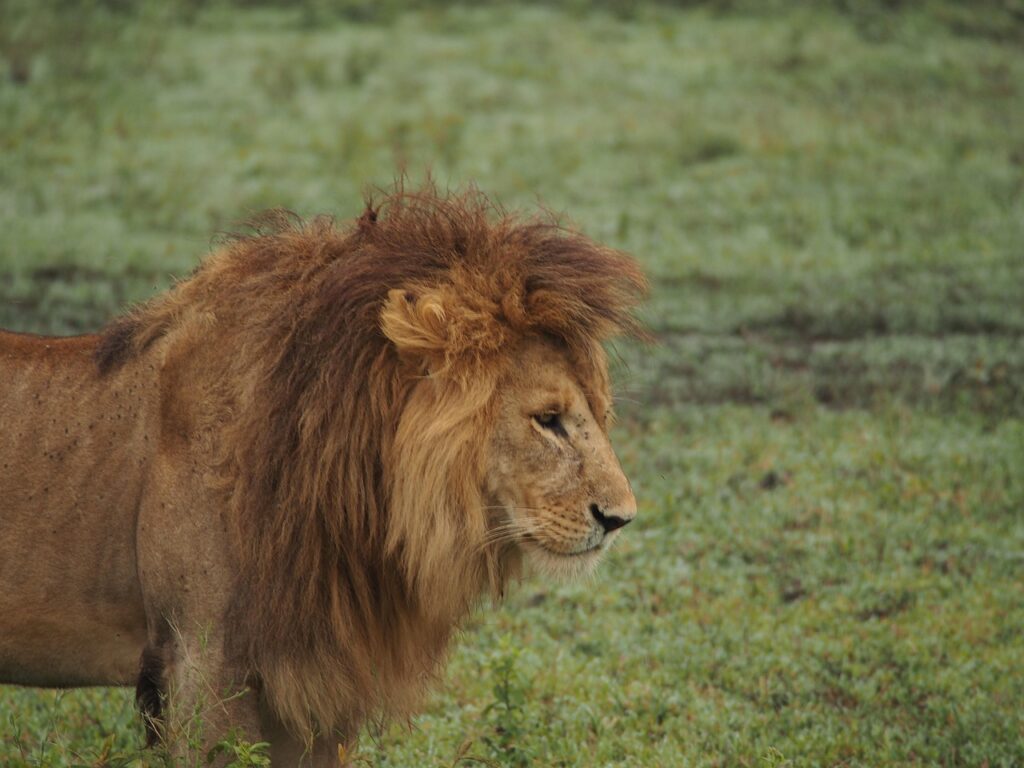
Master the Art of Wildlife Photography on a Tanzanian Safari
Tanzania offers breathtaking landscapes and abundant wildlife. Photography safari tours let visitors capture lions, elephants, giraffes, and zebras with expert guidance across Serengeti, Ngorongoro, Tarangire, and Selous, creating unforgettable wildlife photography experiences.
Back 👉 Home
Expert Guidance: Learn techniques from professional safari photographers.
Prime Locations: Access the best spots in national parks and reserves.
Diverse Wildlife: Capture Africa’s iconic species, from predators to birds.
Golden Hours: Safaris scheduled to take advantage of sunrise and sunset light.
Skill Development: Improve composition, exposure, and wildlife photography skills.
1. Serengeti National Park
Vibe: Iconic plains with abundant wildlife.
Why Visit: Home to large herds, big cats, and dramatic predator-prey scenes.
What You’ll See: Lions, cheetahs, elephants, wildebeest migration, and birdlife.
Best Time: June–October for migration and predator action.
Photography Tip: Early morning and late afternoon provide soft, golden light.
2. Ngorongoro Crater
Vibe: Enclosed ecosystem with diverse species.
Why Visit: Dense wildlife in a stunning volcanic landscape.
What You’ll See: Rhinos, lions, buffalo, and flamingos.
Best Time: Year-round, especially dry months (June–October).
Photography Tip: Use wide-angle lenses to capture landscape and wildlife together.
3. Tarangire National Park
Vibe: Baobab-studded savannahs with large elephant herds.
Why Visit: Fewer tourists, perfect for intimate wildlife shots.
What You’ll See: Elephants, giraffes, lions, and unique bird species.
Best Time: Dry season (July–October) for large wildlife congregations.
Photography Tip: Capture silhouettes of elephants at sunset.
4. Selous Game Reserve
Vibe: Remote wilderness with rivers and floodplains.
Why Visit: Offers wildlife diversity and exclusive photographic opportunities.
What You’ll See: Hippos, crocodiles, elephants, lions, and nocturnal species.
Best Time: June–October for dry season photography.
Photography Tip: Night drives offer rare shots of nocturnal activity.
| Lodge/Camp Name | Level | Features |
|---|---|---|
| Sayari Camp (Serengeti) | Luxury | Guided photography drives with professional photographers. |
| Ngorongoro Serena Lodge | Mid-Range | Stunning crater views, wildlife-rich surroundings. |
| Tarangire Treetops | Luxury | Elevated lodges, expert guides, excellent sunset viewpoints. |
| Siwandu Camp (Selous) | Mid-Range | Remote location, full-day photography safaris included. |
1. Full-Day Game Drives
Capture wildlife in natural settings.
Focus on action shots, hunting scenes, and herd dynamics.
2. Sunrise & Sunset Drives
Use golden hour lighting for dramatic wildlife and landscape shots.
3. Walking Safaris
Photograph smaller animals, birds, and flora up close.
Expert guides provide composition tips.
4. River & Waterhole Photography
Capture reflections, birdlife, and predators near water.
Ideal for telephoto and zoom lenses.
5. Night Photography (Selous Only)
Safely photograph nocturnal animals during guided night drives.
Specialized techniques for low-light wildlife shots.
Day 1 – Arrival & Serengeti Afternoon Drive
Arrive at airstrip and transfer to lodge.
Evening drive to photograph wildlife and sunset.
Day 2 – Full-Day Serengeti Photography
Early morning sunrise drive.
Midday rest at lodge.
Afternoon photography drive focusing on big cats and migration herds.
Day 3 – Ngorongoro Crater Photography
Morning transfer to Ngorongoro.
Full-day crater photography with varied landscapes and wildlife.
Day 4 – Tarangire National Park
Morning and afternoon drives to photograph elephants, baobabs, and birds.
Sunset photography session at scenic viewpoints.
Day 5 – Selous Game Reserve & Departure
Morning drive to capture wildlife along rivers.
Afternoon transfer for departure.
| Month | Weather | Conditions | Notes |
|---|---|---|---|
| June–October | Dry season | Clear skies, easy wildlife spotting | Ideal for migration and predator action. |
| November–December | Short rains | Lush scenery, active wildlife | Good for landscape photography. |
| January–March | Warm & dry | Calving season in Ngorongoro & Serengeti | Excellent for newborn wildlife shots. |
| April–May | Long rains | Wet conditions, fewer tourists | Challenging, but dramatic landscapes. |
DSLR or mirrorless camera with telephoto and wide-angle lenses.
Tripod or monopod for stability.
Extra memory cards and batteries.
Neutral-colored safari clothing.
Hat, sunscreen, and insect repellent.
Binoculars for scouting subjects.
Refillable water bottle.
Always follow your guide’s instructions.
Keep distance from wild animals.
Avoid sudden movements or loud noises.
Do not feed wildlife for safety.
Respect local communities and habitats.
Unparalleled Wildlife Access: Capture iconic African species.
Improved Skills: Learn from expert guides and photographers.
Breathtaking Landscapes: Combine wildlife with Tanzania’s dramatic scenery.
Unique Memories: Take home photos that last a lifetime.
Tailored Experiences: Safaris designed for both amateurs and pros.
Q: Do I need professional photography skills?
A: No, tours are suitable for beginners and professionals, with guidance on techniques.
Q: Which parks are best for big cats?
A: Serengeti and Ngorongoro offer the highest chances of photographing lions, leopards, and cheetahs.
Q: Can I join night photography drives?
A: Yes, but only in Selous under strict guidance.
Q: When is the best season for photography safaris?
A: June–October for dry season clarity and migration action; January–March for calving season shots.
Q: Are photography safaris family-friendly?
A: Yes, suitable for adults and older children; consult guides regarding night drives.
Fullmoon Safaris, your partner for individual or group organized trips and safaris in Tanzania.
Fullmoon Safaris, We accept all means of payments listed below:

copyright©Kilifullmoon Safaris