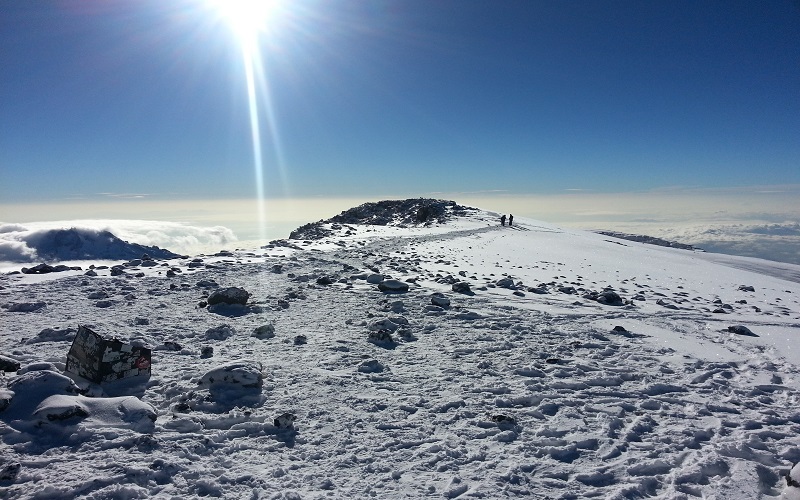
Introduction – Climb Smart and Secure
Ensure a safe and successful Kilimanjaro climb by following essential safety guidelines, preventing altitude sickness, and staying prepared for unpredictable mountain conditions.
Back 👉 Home
Climbing Kilimanjaro involves risks from altitude, weather, and terrain. Proper preparation, guides, equipment, and health awareness ensure a secure and enjoyable trek.
Altitude Sickness: Most common above 2,500m; affects climbers differently.
Weather Extremes: Rapid changes from hot rainforest to freezing alpine desert.
Terrain Hazards: Slopes, rocks, ice, and volcanic scree.
Wildlife & Environment: Minimal risk, but follow guides’ instructions.
Use longer itineraries (7–9 days) to reduce altitude sickness.
Follow the “climb high, sleep low” principle.
Include optional acclimatization hikes at intermediate camps.
Drink at least 3–4 liters of water daily.
Eat carbohydrate-rich meals to maintain energy.
Certified guides know safe routes, weather patterns, and altitude risks.
Communicate any health concerns immediately.
Avoid rushing; maintain a steady, comfortable pace.
Take breaks for rest, photos, or acclimatization walks.
Layered clothing for hot to freezing temperatures.
Waterproof jackets, hats, gloves, and trekking poles.
Proper hiking boots with ankle support.
Recognize early signs of altitude sickness: headache, nausea, dizziness.
Descend immediately if severe symptoms (HAPE/HACE) occur.
Carry medications like acetazolamide under doctor supervision.
Ensure guides have oxygen, first-aid kits, and evacuation plans.
Know nearest medical facilities or rescue options.
Have communication devices for emergencies.
Adequate rest improves energy and acclimatization.
Avoid overexertion, especially before summit night.
Include high-altitude trekking coverage.
Verify coverage for emergency evacuation and medical treatment.
Follow Leave No Trace principles.
Stay on designated trails and avoid disturbing flora or fauna.
| Route Name | Duration | Safety & Acclimatization | Highlights |
|---|---|---|---|
| Machame | 7 days | Gradual ascent, scenic views | Rainforest, Shira Plateau, Barranco Wall |
| Lemosho | 7–8 days | Longer acclimatization, fewer crowds | Cloud forests, western approach, scenic vistas |
| Northern Circuit | 9–10 days | Best acclimatization, remote trails | 360° mountain views, high success rate |
| Rongai | 6–7 days | Gentle northern ascent | Quiet route, scenic northern landscapes |
Layered clothing for temperature extremes
Sturdy trekking boots and gaiters
Trekking poles for stability
Headlamp and spare batteries
First-aid kit including altitude medications
Hydration pack and water bottles
Sunglasses, sunscreen, and hat
Higher Summit Success: Proper pacing and acclimatization increase chances.
Reduced Health Risks: Early detection and preventive measures minimize altitude sickness.
Enhanced Comfort: Balanced hydration, rest, and nutrition reduce fatigue.
Confidence: Safe practices increase enjoyment and peace of mind.
Memorable Experience: Focus on scenery, wildlife, and summit achievement without undue stress.
Q: How can I prevent altitude sickness?
A: Gradual ascent, hydration, proper pacing, and optional medications like acetazolamide.
Q: Is summit night dangerous?
A: It’s physically demanding; proper preparation, pacing, and guide support make it safe.
Q: What if I get sick on the trek?
A: Inform your guide immediately; rest or descent may be necessary.
Q: Are routes safe for beginners?
A: Yes, moderate fitness and longer itineraries allow beginners to climb safely.
Q: Do I need travel insurance?
A: Yes, with coverage for high-altitude trekking and emergency evacuation.
Fullmoon Safaris, your partner for individual or group organized trips and safaris in Tanzania.
Fullmoon Safaris, We accept all means of payments listed below:

copyright©Kilifullmoon Safaris