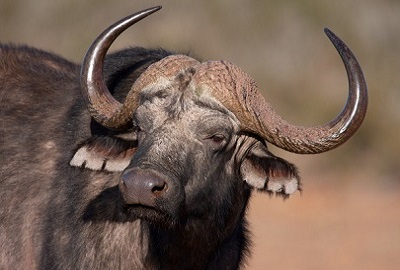
self-drive safari in tanzania national parks
A self-drive safari in Tanzania offers independence, flexibility, and a unique chance to explore national parks at your own rhythm.
Back 👉 Home
Self-drive safaris combine the thrill of driving through Tanzania’s vast landscapes with the freedom to plan routes, stop at scenic spots, and fully immerse in nature’s wonders.
Why Choose a Self-Drive Safari in Tanzania
Flexibility & Freedom: Explore without strict schedules.
Adventure Spirit: Feel the excitement of navigating wild landscapes.
Cost-Effective: Save on guide and driver fees.
Privacy: Travel with family or friends without outside company.
Authentic Experience: Connect more personally with the environment.
Typical Self-Drive Safari Itinerary
7-Day Sample Self-Drive Itinerary
Day 1 – Arrival in Arusha
Morning: Arrive at Kilimanjaro International Airport, pick up 4×4 rental.
Afternoon: Safari briefing, gear check, overnight stay in Arusha.
Day 2 – Tarangire National Park
Morning drive to Tarangire.
Afternoon game drive spotting elephants, baobab trees, and predators.
Evening stay at a Tarangire lodge or campsite.
Day 3 – Lake Manyara National Park
Explore forested areas, hippo pools, and tree-climbing lions.
Picnic lunch inside the park.
Overnight near Lake Manyara.
Day 4 – Ngorongoro Crater
Early descent into the crater.
Spot rhinos, lions, hyenas, and wildebeest.
Overnight at Ngorongoro lodge or campsite.
Day 5 – Serengeti National Park
Drive to Serengeti via Olduvai Gorge.
Afternoon game drive across endless plains.
Evening at a Serengeti tented camp.
Day 6 – Full Day Serengeti Exploration
Early morning drive for sunrise over the plains.
Optional hot air balloon safari.
Afternoon picnic and evening relaxation.
Day 7 – Return to Arusha
Morning drive through the Serengeti.
Afternoon return to Arusha.
Evening drop-off of 4×4 and overnight in Arusha.
Recommended Self-Drive Vehicles & Rentals
| Vehicle Type | Features | Best For |
|---|---|---|
| Toyota Land Cruiser | 4×4, camping gear, fridge | Long-distance & rough terrain |
| Toyota Prado | Comfortable, reliable, GPS | Family safaris |
| Land Rover Defender | High clearance, rugged build | Adventurous off-road travelers |
| Safari Van (4×4) | Pop-up roof, spacious | Small groups |
Best National Parks for Self-Drive Safaris
Serengeti National Park: Endless plains, migration routes, and big cats.
Ngorongoro Crater: Dense wildlife in a volcanic caldera.
Tarangire National Park: Elephant herds, baobabs, and seasonal rivers.
Lake Manyara: Diverse birdlife and tree-climbing lions.
Ruaha National Park: Remote wilderness with fewer crowds.
Selous/Nyerere National Park: Off-the-beaten-track experiences with rivers and wetlands.
Best Activities on a Self-Drive Safari
Independent Game Drives – Plan your own timings and stops.
Bush Picnics – Enjoy meals surrounded by wildlife sounds.
Cultural Encounters – Visit Maasai villages along the routes.
Photography – Capture wildlife at your pace.
Scenic Drives – Marvel at baobabs, crater rims, and Serengeti plains.
Best Time for a Self-Drive Safari
| Month | Season | Highlights |
|---|---|---|
| June–October | Dry Season | Best wildlife viewing, easy road access. |
| November–December | Short Rains | Fewer crowds, lush scenery. |
| January–March | Calving Season | Wildebeest births in Ndutu area. |
| March–May | Long Rains | Roads muddy, but very quiet parks. |
What to Pack for a Self-Drive Safari
Valid driver’s license (international if required).
Detailed maps or GPS navigation.
Neutral safari clothing.
Binoculars and camera gear.
Food supplies and drinking water.
Camping gear (if overnighting at campsites).
First aid kit and basic tools for vehicle.
Safety Tips for Self-Drive Safaris
Always check road and weather conditions before departure.
Carry extra fuel, water, and spare tires.
Respect speed limits and wildlife crossings.
Inform park rangers of your route.
Avoid night driving in parks.
Follow park rules on safe distances from animals.
Benefits of a Self-Drive Safari in Tanzania
Freedom: Travel without strict schedules.
Cost Savings: Avoid guide and driver expenses.
Personalized Adventure: Focus on your interests.
Privacy: Share the journey only with your companions.
Deeper Connection: Engage directly with the landscapes.
FAQs – Self-Drive Safari in Tanzania National Parks
Q: Do I need a special license for self-driving?
A: An international driving permit is recommended, along with a valid home-country license.
Q: Is it safe to drive alone in Tanzania’s parks?
A: Yes, as long as you follow park regulations, prepare well, and drive cautiously.
Q: What is the best vehicle for a self-drive safari?
A: A 4×4 such as a Land Cruiser or Prado is ideal.
Q: Can I camp inside the parks during a self-drive safari?
A: Yes, many campsites are available, but book in advance.
Q: How much does a self-drive safari cost?
A: Costs depend on car rental, park fees, and accommodation—budget from $150–$300 per day.
Fullmoon Safaris, your partner for individual or group organized trips and safaris in Tanzania.
Fullmoon Safaris, We accept all means of payments listed below:

copyright©Kilifullmoon Safaris