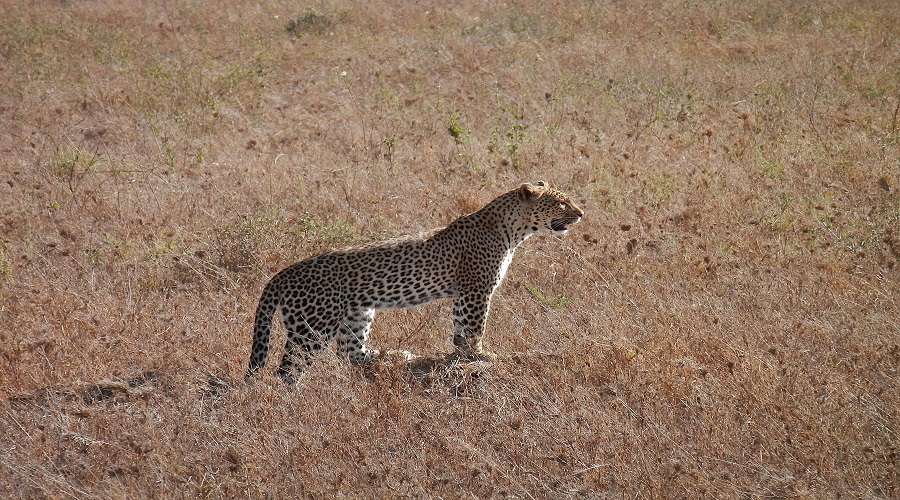
Overview – Spot Tanzania’s Most Elusive Species
Tanzania’s national parks offer unmatched biodiversity. Guided tours reveal diverse mammals, birds, reptiles, and plant species across Serengeti, Ngorongoro, Tarangire, Ruaha, Selous, and Udzungwa. Explore unique habitats while experiencing safe, educational, and unforgettable encounters with wildlife.
Back 👉 Home
Diverse Ecosystems: From savannahs to rainforests and wetlands.
Wildlife Variety: Mammals, birds, reptiles, and endemic species.
Expert Guidance: Rangers and naturalists provide educational insights.
Photography Opportunities: Capture rare and colorful species.
Eco-Friendly Travel: Low-impact tours supporting conservation.
1. Serengeti National Park
Vibe: Vast plains with abundant wildlife.
Why Visit: Witness the Great Migration and diverse predators.
Best Time: June–October for migration; year-round for resident species.
Safari Tip: Full-day drives maximize biodiversity sightings.
2. Ngorongoro Conservation Area
Vibe: Enclosed crater ecosystem with high wildlife density.
Why Visit: Observe large mammals and diverse bird species.
Best Time: Year-round; dry months for clear visibility.
3. Tarangire National Park
Vibe: Baobab-studded landscapes with seasonal wildlife concentrations.
Why Visit: Rich in elephants, antelopes, and endemic birds.
Best Time: July–October dry season.
4. Ruaha National Park
Vibe: Remote savannah and riverine habitats.
Why Visit: Spot wild dogs, lions, and rare antelope species.
Best Time: June–October.
5. Udzungwa Mountains & Selous Game Reserve
Vibe: Rainforests, rivers, and floodplains.
Why Visit: Explore endemic species, primates, and aquatic wildlife.
Best Time: Dry season June–October for tracking wildlife.
| Lodge/Camp Name | Level | Features |
|---|---|---|
| Sayari Camp (Serengeti) | Luxury | Expert guides, prime wildlife access, photography support. |
| Ngorongoro Serena Lodge | Mid-Range | Close to crater rim, guided biodiversity tours. |
| Tarangire Treetops | Luxury | Elevated lodges for panoramic wildlife viewing. |
| Selous Kinga Camp | Mid-Range | Riverside location, wildlife-rich surroundings. |
| Udzungwa Forest Lodge | Mid-Range | Forest edge for endemic species and primates. |
1. Full-Day Game Drives – Explore parks to spot mammals, birds, and reptiles.
2. Walking Safaris – Learn tracking, identify flora, and observe small wildlife.
3. Birdwatching Excursions – Capture endemic and rare birds in natural habitats.
4. Forest and Mountain Treks – Discover rainforest species, primates, and insects.
5. Photography Safaris – Expert guidance to capture wildlife and landscapes.
Day 1 – Serengeti Arrival & Game Drive
Afternoon drive with guide spotting resident predators and herbivores.
Day 2 – Full-Day Serengeti Safari
Observe migration, raptors, and small mammals.
Sunset photography session.
Day 3 – Ngorongoro Crater Exploration
Guided drive through crater, learning about ecosystem dynamics.
Day 4 – Tarangire & Elephant Safari
Morning and afternoon drives focusing on elephants and rare antelopes.
Day 5 – Udzungwa or Selous Excursion & Departure
Morning trek for endemic species and primates.
Afternoon transfer for departure.
| Month | Weather | Notes |
|---|---|---|
| June–October | Dry season | Best for wildlife visibility and tracking. |
| November–April | Wet season | Lush scenery, migratory species abundant. |
| January–March | Warm & dry | Comfortable trekking and drives. |
| April–May | Long rains | Fewer tourists; challenging access. |
Neutral safari clothing and sturdy shoes.
Binoculars and camera with zoom lens.
Sun protection and insect repellent.
Refillable water bottle.
Rain jacket for wet season.
Always follow guides’ instructions.
Keep a safe distance from wildlife.
Avoid disturbing nests or habitats.
Respect local communities and conservation rules.
Diverse Wildlife Encounters: Mammals, birds, reptiles, and endemic species.
Photography Opportunities: Capture rare and colorful wildlife.
Educational Insights: Learn about ecosystems, species behavior, and conservation.
Eco-Friendly Travel: Observe wildlife sustainably.
Memorable Safari Experiences: Unique encounters across Tanzania’s national parks.
Q: Which parks are best for biodiversity?
A: Serengeti, Ngorongoro, Tarangire, Ruaha, Selous, and Udzungwa.
Q: When is the best time for biodiversity tours?
A: June–October dry season for optimal wildlife viewing.
Q: Are guided tours necessary?
A: Guides ensure better sightings and educational insights.
Q: Can beginners join these tours?
A: Yes, itineraries cater to all experience levels.
Q: Are photography-focused tours available?
A: Yes, guides help with angles, lighting, and optimal positioning.
Fullmoon Safaris, your partner for individual or group organized trips and safaris in Tanzania.
Fullmoon Safaris, We accept all means of payments listed below:

copyright©Kilifullmoon Safaris