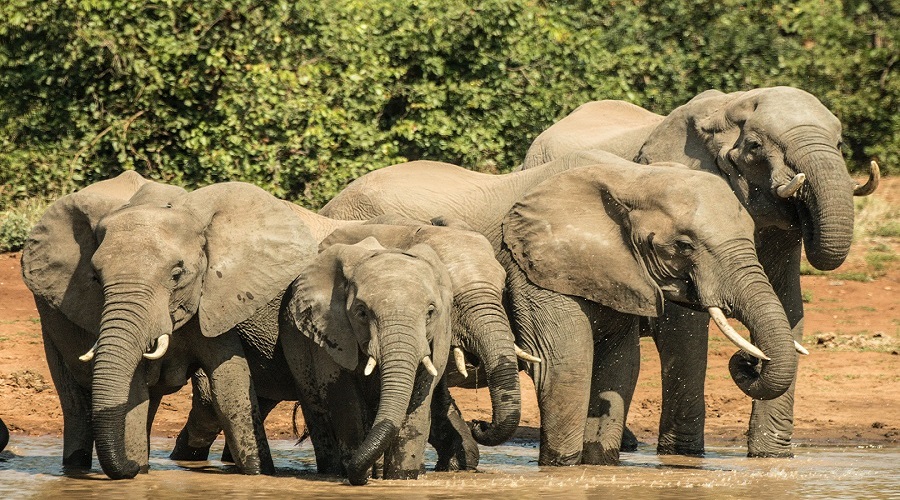
Overview – Spot Tanzania’s Most Elusive Species
Mikumi National Park offers immersive walking safaris, allowing visitors to experience wildlife, flora, and landscapes up close. Guided by expert rangers, travelers can track elephants, zebras, giraffes, and predators while learning about ecosystems and animal behavior in a safe, educational way.
Back 👉 Home
Close Encounters: Observe wildlife safely on foot.
Expert Guides: Learn tracking, animal behavior, and ecology.
Eco-Friendly Experience: Minimal disturbance to animals and environment.
Photography Opportunities: Capture wildlife from unique perspectives.
Cultural Insights: Learn about local flora and ecosystems
1. Mkata Floodplain
Vibe: Open savannah with dense wildlife.
Why Visit: Track zebras, giraffes, and small predators.
Best Time: June–October dry season for easier trekking.
Safari Tip: Early mornings reveal active animal movements.
2. Mikumi Hills & Woodlands
Vibe: Scenic landscapes with mixed habitats.
Why Visit: Spot elephants, antelopes, and bird species.
Best Time: Dry season; lush greenery in short rains.
3. Riverine Areas
Vibe: Water sources attracting diverse wildlife.
Why Visit: Observe hippos, crocodiles, and elephants drinking.
Safari Tip: Binoculars recommended for detailed viewing.
4. Open Plains
Vibe: Wide-open spaces with predator-prey interactions.
Why Visit: Track lion prides and cheetah sightings safely.
| Lodge/Camp Name | Level | Features |
|---|---|---|
| Mikumi Safari Camp | Mid-Range | Guided walking safaris with naturalist guides. |
| Vuma Hills Lodge | Luxury | Scenic location with walking and game drive access. |
| Mikumi Wildlife Camp | Budget | Affordable, close to walking safari trails. |
| Sable Hills Lodge | Mid-Range | Guided walks with emphasis on flora and fauna. |
1. Guided Walks – Track animals, birds, and insects on foot.
2. Early Morning Treks – See wildlife at its most active.
3. Birdwatching Walks – Observe endemic and migratory species.
4. Photography Safaris – Capture close-up wildlife shots safely.
5. Nature Interpretation – Learn about plants, ecosystems, and animal tracks.
Day 1 – Arrival & Introduction Walk
Arrive at lodge, short afternoon walk to spot nearby wildlife.
Day 2 – Full-Day Walking Safari
Morning trek to Mkata Floodplain and Mikumi Hills.
Afternoon photography and tracking session.
Day 3 – Riverine Walk & Departure
Morning walk along rivers for elephants and birds.
Afternoon transfer for departure.
| Month | Weather | Notes |
|---|---|---|
| June–October | Dry season | Easier walking, high wildlife visibility. |
| November–December | Short rains | Lush scenery; some trails slippery. |
| January–March | Warm & dry | Comfortable trekking and animal activity. |
| March–May | Long rains | Challenging terrain; fewer tourists. |
Sturdy walking shoes or boots.
Neutral-colored clothing and hat.
Binoculars and camera with zoom lens.
Sunscreen, insect repellent, and refillable water bottle.
Rain jacket for wet season walks.
Always follow your guide’s instructions.
Keep a safe distance from animals.
Move quietly and avoid sudden gestures.
Respect wildlife and natural habitats.
Inform guides of any medical concerns.
Immersive Experience: See wildlife and ecosystems closely.
Educational Insights: Learn tracking, ecology, and behavior.
Photography Opportunities: Unique angles and close encounters.
Eco-Friendly Exploration: Minimal impact on the environment.
Memorable Safari: A safe, intimate wildlife adventure.
Q: Are walking safaris safe?
A: Yes, trained guides ensure safe encounters with wildlife.
Q: Do I need experience or fitness?
A: Basic fitness is enough; guides tailor walks to all levels.
Q: Can children join walking safaris?
A: Yes, on shorter, safer routes with supervision.
Q: When is the best time for walking safaris?
A: June–October dry season for optimal wildlife visibility.
Q: Are photography opportunities available?
A: Yes, guides help position visitors for ideal wildlife shots.
Fullmoon Safaris, your partner for individual or group organized trips and safaris in Tanzania.
Fullmoon Safaris, We accept all means of payments listed below:

copyright©Kilifullmoon Safaris