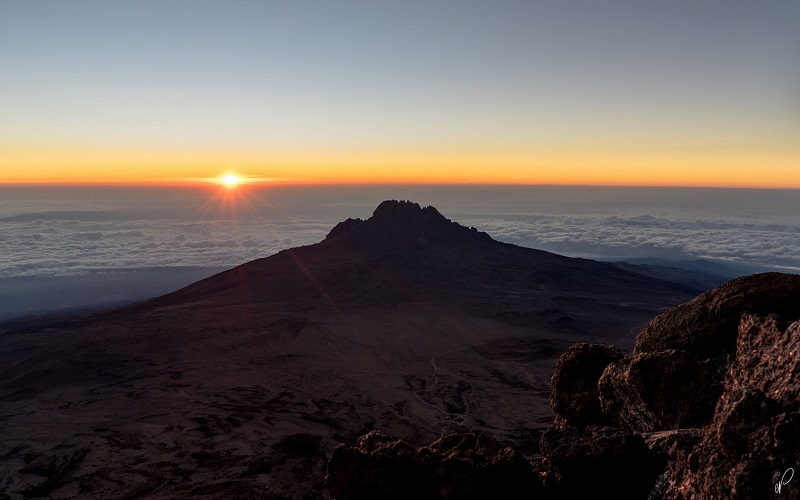
Introduction – Dress Smart for the Summit
Choosing the right clothing for Kilimanjaro ensures comfort, warmth, and safety while trekking through rainforest, alpine desert, and snowy summit conditions.
Back 👉 Home
Layered clothing, durable boots, and protective gear are crucial for Kilimanjaro’s varied climates, enabling climbers to stay safe, warm, and agile across all altitudes.
Temperature Variation: From hot rainforest to freezing alpine desert and glaciers.
Weather Extremes: Wind, rain, snow, and intense sun require versatile layers.
Comfort & Safety: Proper gear reduces fatigue, prevents hypothermia, and protects from sunburn.
Mobility: Flexible, lightweight clothing aids trekking efficiency.
Purpose: Moisture-wicking and quick-drying.
Examples: Synthetic or merino wool long-sleeve tops and leggings.
Tip: Avoid cotton; it retains moisture and chills the body.
Purpose: Retains body heat during cold mornings and nights.
Examples: Fleece jackets, down vests, or light puffy jackets.
Tip: Choose lightweight and compressible options for easy packing.
Purpose: Protects against wind, rain, and snow.
Examples: Waterproof and breathable jackets and pants.
Tip: Gore-Tex or similar material ensures durability and ventilation.
Convertible pants (zip-off legs) are ideal for adjusting to temperature changes.
Reinforced knees and lightweight, breathable fabric recommended.
Hats: Sun hat for low altitudes, beanie for cold summit hours.
Gloves: Layered system with thin liners and insulated outer gloves.
Tip: Waterproof gloves for summit night protect against frostbite.
Sturdy, waterproof hiking boots with ankle support.
Moisture-wicking trekking socks; consider sock liners to prevent blisters.
Gaiters optional for snow and scree protection.
Sunglasses with UV protection for high-altitude glare.
Buff or scarf for dust, sun, and cold wind protection.
Lightweight, insulated down jacket for summit night.
Headlamp with spare batteries for early summit climbs.
| Zone | Temperature | Recommended Clothing |
|---|---|---|
| Rainforest (1,800–2,800m) | 15–25°C | Moisture-wicking base layer, light jacket, hiking pants |
| Heath & Moorland (2,800–4,000m) | 5–15°C | Fleece jacket, insulated mid-layer, convertible pants |
| Alpine Desert (4,000–5,000m) | -5–5°C | Down jacket, windproof shell, thermal base layer |
| Summit (5,895m) | -15–10°C | Insulated gloves, beanie, down jacket, waterproof pants, thermal layers |
Layer Smart: Pack modular layers instead of bulky jackets.
Porter Support: Use porter services to carry heavy clothing and gear.
Dry Bags: Protect clothes from rain and moisture.
Extra Socks & Gloves: Always have backups for wet or damaged gear.
Comfort Across Climates: Stay warm in freezing summit, cool in humid rainforest.
Enhanced Safety: Reduces risk of hypothermia, frostbite, and sunburn.
Improved Trekking Efficiency: Lightweight, flexible layers help maintain pace.
Summit Success: Proper clothing supports energy conservation and acclimatization.
Photography Ready: Comfortable clothing allows focus on scenic views without distractions.
Q: Can I wear cotton on Kilimanjaro?
A: No. Cotton retains moisture, increases risk of cold, and slows drying.
Q: Do I need a down jacket for the summit?
A: Yes, summit temperatures can drop below -10°C, requiring insulated outerwear.
Q: Are trekking poles necessary?
A: Optional but recommended; they reduce joint strain and improve stability.
Q: How many clothing layers are ideal?
A: Base layer, insulating layer, and waterproof shell, plus accessories for extremes.
Q: Do porters carry extra clothing?
A: Yes, most packages include porter services to carry heavy gear and extra layers.
Fullmoon Safaris, your partner for individual or group organized trips and safaris in Tanzania.
Fullmoon Safaris, We accept all means of payments listed below:

copyright©Kilifullmoon Safaris