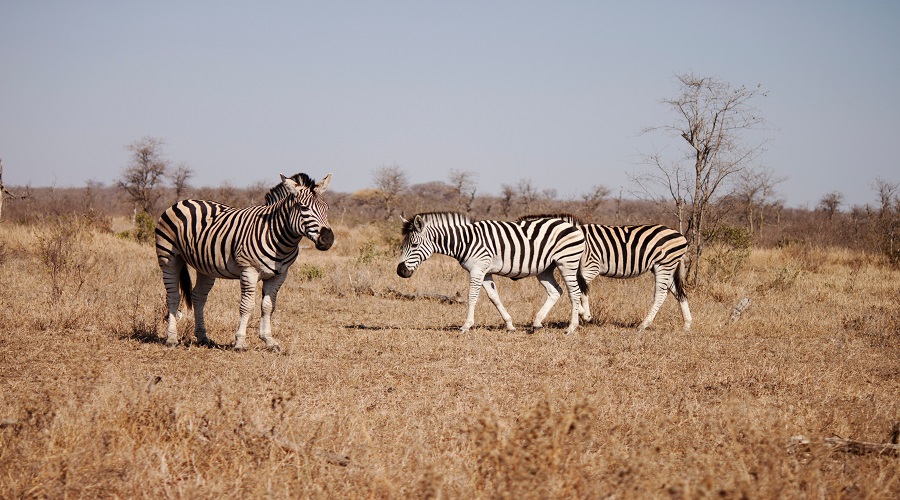
Discover the best time to book a safari in Tanzania for 2025–2026. Learn about seasonal wildlife, peak travel periods, domestic flights, lodges, and expert tips to plan your perfect Serengeti, Ngorongoro, and Zanzibar adventure.
Back 👉 Home
Tanzania is one of the world’s top safari destinations, famous for its Big Five, wildebeest migration, and breathtaking landscapes. Planning a safari involves more than choosing a park; the timing of your booking can significantly impact wildlife sightings, accommodations, and overall travel experience.
This guide explains when to book a safari in Tanzania, including the best seasons, peak travel periods, domestic flight planning, lodge reservations, and practical advice to make your 2025–2026 safari seamless and unforgettable.
Wildlife Patterns: Certain months offer better chances to see the Big Five and migration events.
Weather Conditions: Dry and wet seasons affect road conditions, game drive comfort, and visibility.
Accommodation Availability: Popular lodges fill quickly, especially during peak migration and holiday periods.
Pricing & Budget: Early bookings secure better rates, while last-minute trips can be expensive.
Travel Logistics: Coordinating domestic flights, transfers, and park entry is easier with advanced planning.
Ideal for game drives due to sparse vegetation.
Wildlife congregates near waterholes, making sightings easier.
Popular for Serengeti migration viewing, especially July–October.
Road conditions are better, reducing travel fatigue.
Lush green landscapes and fewer tourists.
Calving season in Serengeti (December–March) is spectacular for predator-prey interactions.
Roads may be muddy; some areas become less accessible.
Lodges and safaris often offer discounted rates.
Tip: Choose the season based on wildlife interests—predators, migration, or newborns.
High Season: June–October and December–February.
Expect crowded parks, booked lodges, and higher prices.
Essential to book 3–6 months in advance.
Low Season: March–May (wet season) and November.
Fewer tourists, more availability, lower prices.
Wildlife viewing may be more challenging but still rewarding.
Advice: For migration enthusiasts, plan your safari July–October to witness river crossings and predator action.
Luxury Lodges: 6–12 months in advance, especially for Serengeti and Ngorongoro.
Mid-Range Lodges: 4–6 months recommended.
Budget Accommodation: 2–4 months may suffice but check availability for peak seasons.
Domestic Flights: Book alongside lodges to secure seats; small aircraft have limited capacity (10–20 passengers).
Tip: Early booking ensures you get preferred lodges, vehicles, and guides.
Tanzania’s domestic airlines connect Arusha, Serengeti, Ngorongoro, Zanzibar, and Kilimanjaro.
Benefits of booking flights early:
Secure seating during peak season.
Coordinate transfers with game drives.
Avoid delays and last-minute pricing surges.
Major airlines: Precision Air, Coastal Aviation, Auric Air.
Tip: Check luggage allowances (usually 15–20 kg) and timing of morning flights for smooth safari transitions.
Best visited June–October for clear skies and migration viewing.
Migration patterns influence the optimal booking month:
Serengeti Southern Plains: December–March (calving season).
Western Corridor & Grumeti: June–July.
Northern Serengeti: August–October (river crossings).
Less crowded and excellent year-round.
Best wildlife viewing during dry season (June–October).
Ideal after safari for beach relaxation.
Dry season (June–October, December–February) offers sunny weather and calm seas.
Tip: Align safari and Zanzibar bookings to minimize domestic transfers and maximize leisure time.
Luxury Lodges: Book early for prime locations near wildlife hotspots.
Mid-Range Tented Camps: Moderate price, flexible booking; reserve during peak migration.
Budget Options: Affordable guesthouses and camps; early booking recommended for peak months.
Family Travel: Verify availability of family-friendly lodges and interconnecting rooms.
Tip: Confirm inclusions—meals, park fees, domestic flights, and guides are often bundled in safari packages.
High Season: Higher accommodation and flight costs.
Low Season: Discounted rates for lodges and tours.
Package Deals: Combine multiple parks and Zanzibar to optimize costs and travel time.
Hidden Costs: Park entry fees, tips, optional activities (hot air balloon safari, cultural tours).
Advice: Plan and book early to secure better pricing and availability.
Essential for safaris due to remote locations and potential travel disruptions.
Covers: Medical emergencies, trip cancellations, lost luggage, and flight delays.
Flexible bookings allow adjustments if wildlife seasons shift or domestic flights are rescheduled.
Tip: Confirm cancellation and refund policies with lodges and airlines before booking.
Group size affects vehicle capacity and lodge availability.
Early planning ensures multiple rooms and private safari vehicles.
Consider sharing costs for mid-range or budget options.
Advice: Book 4–6 months ahead for groups to avoid splitting accommodations.
Peak seasons for photography differ by park and wildlife patterns:
Serengeti migration: July–October for river crossings.
Ngorongoro Crater: Year-round for predator sightings.
Tarangire: June–October for elephant herds.
Book lodges near vantage points and open safari vehicles for optimal photography conditions.
Tip: Morning and late afternoon light is ideal for wildlife photography.
| Feature | Early Booking | Last-Minute Booking |
|---|---|---|
| Lodge Availability | High, prime locations | Limited, less choice |
| Safari Vehicles | Reserved, private | May require sharing |
| Wildlife Experience | Aligned with migration | Reduced chance |
| Pricing | Competitive rates | Higher costs |
| Domestic Flights | Secured, coordinated | Limited seats |
Q: When is the absolute best time to book a safari in Tanzania?
A: Ideally, 3–6 months in advance for mid-range lodges and 6–12 months for luxury lodges, especially during peak seasons.
Q: Can I plan a last-minute safari?
A: Possible but limited in options, higher cost, and fewer lodge selections.
Q: Does the timing affect wildlife sightings?
A: Yes, seasonal patterns like the Serengeti migration and calving season are time-sensitive.
Q: Should I book domestic flights early?
A: Absolutely. Flights often fill quickly, particularly for Serengeti, Ngorongoro, and Zanzibar transfers.
Q: Are group safari bookings different from solo bookings?
A: Groups require more advance planning to secure multiple vehicles and lodge rooms.
Booking a safari in Tanzania at the right time ensures a seamless, enjoyable, and wildlife-rich adventure. By considering the season, migration patterns, peak travel periods, and lodge availability, travelers maximize their chances of experiencing the Big Five, the Great Migration, and other iconic wildlife events.
Early planning also ensures smooth logistics with domestic flights, accommodations, and guides, allowing for a stress-free 2025–2026 Tanzanian safari. Whether you prefer luxury lodges, mid-range camps, or budget-friendly options, the key is to book strategically and plan ahead to make every moment in Tanzania truly unforgettable.
Fullmoon Safaris, your partner for individual or group organized trips and safaris in Tanzania.
Fullmoon Safaris, We accept all means of payments listed below:

copyright©Kilifullmoon Safaris