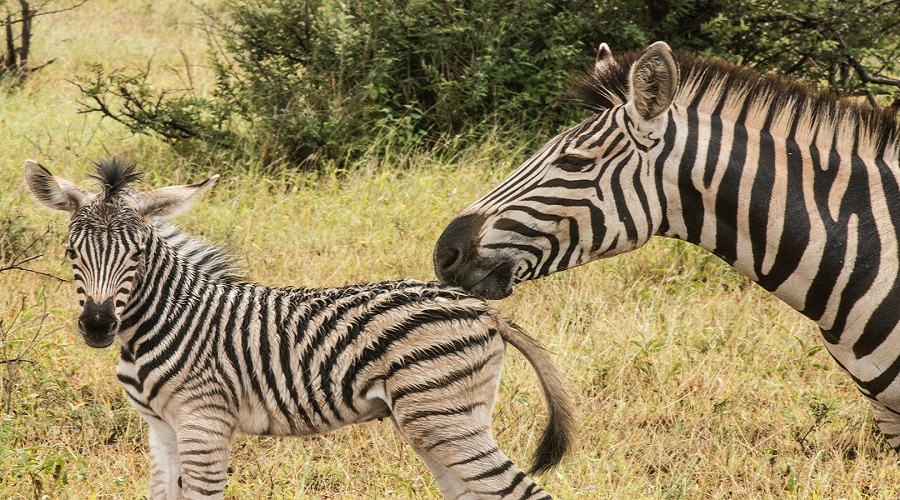
Introduction – Witness the Miracle of Life on the Serengeti Plains
Ndutu hosts the world’s largest wildebeest calving event, attracting predators and photographers eager to witness newborns taking their first steps in the wild.
Back 👉 Home
Overview – Spot Tanzania’s Most Elusive Species
Ndutu, located in the southern Serengeti near the Ngorongoro Conservation Area, hosts one of the world’s most remarkable wildlife events: the annual wildebeest calving season. Between January and March, over 300,000 wildebeest give birth on the lush plains of Ndutu, offering an unparalleled opportunity to witness raw nature, predator-prey interactions, and newborn wildlife thriving in a fragile ecosystem. Safari enthusiasts, photographers, and researchers flock to Ndutu to capture this breathtaking event, learning about survival strategies, predator dynamics, and the Serengeti’s unique ecosystem.
1. Witness New Life on the Plains
The calving season is a rare spectacle, with thousands of newborn wildebeest appearing almost simultaneously. Visitors can observe calves taking their first steps, mothers nurturing them, and the intricate dynamics of survival in the wild. This is the perfect opportunity for photographers seeking intimate wildlife moments and naturalists studying herd behavior.
2. Predator-Prey Interactions at Their Peak
The abundance of vulnerable calves attracts predators in a dramatic display of natural selection. Lions, cheetahs, hyenas, and crocodiles converge on the plains and rivers, creating intense hunting scenes that highlight the balance between life and death in the Serengeti ecosystem. Guides provide expert insights into predator strategies, hunt outcomes, and the ecological importance of these events.
3. Educational Experience
Learning about the lifecycle of wildebeest, the timing of births, and how the calving synchronizes with rainfall patterns provides an enriching experience. Travelers gain an understanding of ecology, animal behavior, and how conservation efforts maintain these cycles.
4. Ideal for Wildlife Photography
Photographers benefit from soft morning and evening light, dense wildlife activity, and the dramatic backdrop of lush, green plains. The juxtaposition of newborn calves, maternal behaviors, predators, and the vast Serengeti landscapes offers endless photographic possibilities.
5. Seasonal Timing and Wildlife Density
The calving season occurs during the wet season when grasslands are lush, water is abundant, and wildlife densities peak. This increases the chances of spotting not only wildebeest but also elephants, zebras, gazelles, and a wide array of bird species, providing a comprehensive safari experience.
6. Contribution to Conservation Awareness
By visiting Ndutu during the calving season, travelers support local conservation programs and responsible tourism initiatives. Guides emphasize sustainable travel practices that minimize disturbance to wildlife while maximizing educational and observational opportunities.
1. Ndutu Plains
Vibe: Wide, open grasslands, teeming with newborn wildebeest.
Why Visit: Heart of the calving action; high predator activity.
What You’ll See: Herds of wildebeest with calves, stalking predators, zebras mixing with herds, and bird species such as secretary birds and eagles.
Duration: Full-day drives recommended to cover multiple herds.
Safari Tip: Early morning drives allow observation of first movements and predator hunts in soft light.
2. Lake Ndutu Area
Vibe: Flooded plains and seasonal water bodies.
Why Visit: Water sources attract large numbers of wildebeest, zebras, and predators, including crocodiles.
What You’ll See: Calves learning to walk, lions hunting, hyenas scavenging, and birds feeding around lakes.
Highlight: Unique photographic opportunities with reflections on water and wildlife interactions.
3. Ngorongoro Highlands Overlook
Vibe: Elevated views of Ndutu plains, offering panoramic perspectives.
Why Visit: Observe large-scale herd movements and predator-prey dynamics from above.
What You’ll See: Mass calving events, lion prides on strategic hills, and vast plains stretching to the horizon.
Safari Tip: Sunrise views provide golden lighting for photography and excellent wildlife observation.
4. Burunge/Mbalageti Corridor (Optional)
Vibe: Transitional zones with scattered woodlands and savannah.
Why Visit: Observe predator tracking and migration of wildebeest moving between feeding areas.
What You’ll See: Cheetah stalking calves, birds of prey hunting, and interactions among herbivores.
Highlight: Less crowded, offering a more private safari experience.
5. Riverine Crossing Points (Small Seasonal Rivers)
Vibe: Narrow rivers or streams flowing through Ndutu plains.
Why Visit: Predators exploit natural choke points where calves attempt their first crossings.
What You’ll See: Dramatic hunts, crocodile ambushes, and protective maternal behaviors.
Safari Tip: Guides with experience know the safest vantage points for close observation without disturbing wildlife.
1. Maternal Care
Mothers fiercely protect calves, keeping them within close proximity and alerting them to predators.
Observation includes grooming, guiding first steps, and teaching calves to graze.
2. Predator Hunts
Lions, cheetahs, and hyenas select vulnerable calves for hunting practice.
Watch coordinated hunting strategies and predator-prey dynamics, an educational experience in survival.
3. Grazing Patterns
Wildebeest and zebra herds move rhythmically across lush plains.
Observing interactions and spacing provides insight into herd dynamics and resource management.
4. Bird Interactions
Raptors and scavengers exploit newborns and predator kills.
Secretary birds, vultures, and eagles are commonly observed hunting small prey or cleaning carcasses.
5. Calf First Steps
One of the most iconic sights: calves struggle, wobble, and eventually run within hours of birth.
Guides often explain the evolutionary significance and survival rates
Fullmoon Safaris, your partner for individual or group organized trips and safaris in Tanzania.
Fullmoon Safaris, We accept all means of payments listed below:

copyright©Kilifullmoon Safaris